Post by : Saif
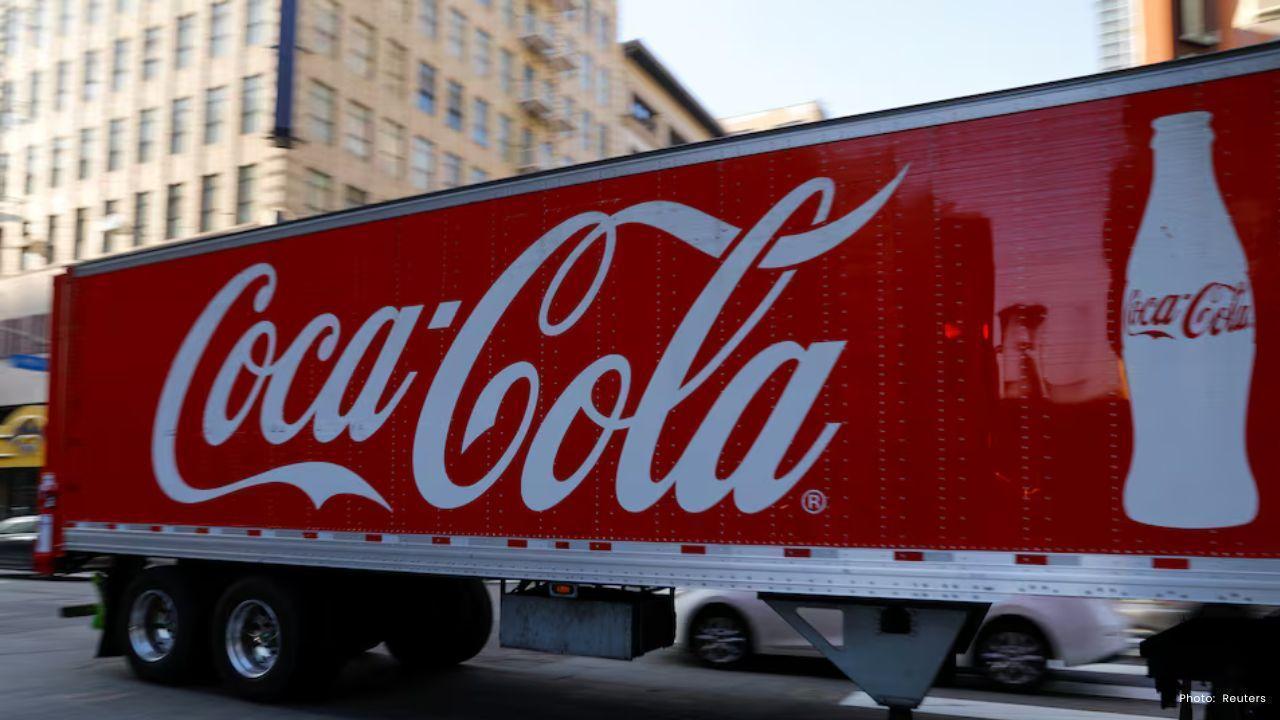
Coca-Cola has announced that it will stop selling its frozen drink products in the United States and Canada, including items under its Minute Maid frozen line. The decision marks a clear shift in strategy as the beverage giant adjusts to changing customer tastes and a more demanding market environment. Company officials said the frozen category no longer matches what most shoppers are looking for today.
According to the company, the frozen products will be discontinued during the first quarter of 2026. Stores will continue to sell whatever inventory remains until supplies run out. After that, Coca-Cola will fully exit the frozen can and frozen concentrate segment in these two major markets.
The company explained that the move is based on consumer preference trends. In simple terms, fewer people are buying frozen drink concentrates compared with ready-to-drink beverages, low-sugar options, and premium products. Instead of trying to revive a slowing category, Coca-Cola has chosen to focus its money and shelf space on products that show stronger demand.
This decision shows how even the world’s most famous drink brand must keep adjusting to stay relevant. The beverage market today looks very different from what it was ten or twenty years ago. Customers now read labels more carefully, compare sugar levels, and look for drinks that feel healthier or more natural. Convenience also plays a big role, with many shoppers preferring ready-to-drink bottles and cans instead of products that must be mixed or prepared.
Coca-Cola has already been moving in this direction for some time. The company has been expanding its zero-sugar and low-calorie drink lines across many brands. These include sugar-free sodas, flavored waters, and functional beverages. It has also been putting more energy into premium products such as Fairlife milk and higher-end juice offerings. These products often bring better profit margins and attract customers willing to pay more for perceived quality.
Leadership changes also play a part in the company’s direction. Coca-Cola named Henrique Braun, a longtime insider, as its new chief executive in December. When new leadership takes charge, it often reviews product lines and cuts slower businesses while backing faster-growing ones. Dropping frozen products fits that pattern of tightening focus.
Another factor behind the shift is the regulatory climate around packaged food and drinks in the United States. Rules and public pressure around sugar content, labeling, and ingredients have been increasing. Beverage makers are under more scrutiny than before. By pushing zero-sugar options and experimenting with cane-sugar versions in glass bottles, Coca-Cola is trying to meet both regulatory expectations and changing buyer interests.
The company is also facing mixed demand patterns around the world. In some large markets, including India and China, local drink brands have been gaining popularity. Regional tastes and local pricing can affect how global brands perform. This puts more pressure on multinational companies to fine-tune their product mix country by country.
Ending the frozen line does not mean Coca-Cola is stepping back from juice. In fact, company representatives said the juice category is growing strongly. The change is more about format than flavor. Ready-to-drink juices and chilled products are performing better than frozen concentrates. From a business point of view, it makes sense to invest where growth is already visible instead of trying to defend a shrinking segment.
Retailers are also likely to support the change. Shelf space in supermarkets is limited and highly competitive. Stores prefer products that sell quickly and deliver steady turnover. If frozen drink cans move slowly, retailers may be happy to replace them with faster-selling beverages.
For customers, the impact will depend on buying habits. People who regularly purchase frozen Minute Maid or similar products will need to switch to other formats. Many alternatives already exist, including bottled juices, drink mixes, and ready-to-serve cartons. Most shoppers may not notice a major difference because frozen concentrates are no longer a central part of everyday beverage buying.
From an editorial point of view, this move is less about cutting a product and more about reading the market correctly. Large companies sometimes hold on too long to legacy categories because of brand history. Coca-Cola’s decision suggests it is willing to let go of older formats when the numbers and trends no longer support them.
The beverage industry is changing quickly, driven by health awareness, pricing pressure, and lifestyle shifts. Companies that respond early usually stay stronger. Those that delay often lose ground. By trimming its frozen portfolio and focusing on zero-sugar, juice, and premium drinks, Coca-Cola is placing a clear bet on where it believes the future demand will be.
Time will tell if this sharper focus brings better growth. For now, it shows a global brand adapting to a new generation of drinkers and a new set of expectations.
#trending #latest #CocaCola #BeverageIndustry #ConsumerTrends #ZeroSugar #JuiceMarket #FoodAndDrink #RetailNews #BusinessStrategy #NorthAmerica #armustnews



Advances in Aerospace Technology and Commercial Aviation Recovery
Insights into breakthrough aerospace technologies and commercial aviation’s recovery amid 2025 chall

Defense Modernization and Strategic Spending Trends
Explore key trends in global defense modernization and strategic military spending shaping 2025 secu

Tens of Thousands Protest in Serbia on Anniversary of Deadly Roof Collapse
Tens of thousands in Novi Sad mark a year since a deadly station roof collapse that killed 16, prote

Canada PM Carney Apologizes to Trump Over Controversial Reagan Anti-Tariff Ad
Canadian PM Mark Carney apologized to President Trump over an Ontario anti-tariff ad quoting Reagan,

The ad that stirred a hornets nest, and made Canadian PM Carney say sorry to Trump
Canadian PM Mark Carney apologizes to US President Trump after a tariff-related ad causes diplomatic

Bengaluru-Mumbai Superfast Train Approved After 30-Year Wait
Railways approves new superfast train connecting Bengaluru and Mumbai, ending a 30-year demand, easi




