Post by : Armust Desk
On Saturday, Prime Minister Narendra Modi embarked on a remarkable journey from Tokyo to Sendai aboard a high-speed bullet train, accompanied by his Japanese counterpart, Prime Minister Shigeru Ishiba. The ride, which offered a unique glimpse into Japan’s advanced rail technology, was shared by both leaders on social media, giving the public a close look at their travel experience. Japanese PM Ishiba posted, “With Prime Minister Modi to Sendai. Continuing from last night, I'm accompanying him from inside the car.” PM Modi also shared images, announcing their safe arrival in Sendai and expressing his appreciation for Japan’s technological innovation in railways.
This journey was more than a symbolic gesture; it highlighted the growing collaboration between India and Japan in railway technology, high-speed transport, and industrial cooperation. The ALFA-X bullet train, observed by PM Modi and PM Ishiba during the ride, represents the pinnacle of Japan’s modern railway system, known for its speed, safety, and efficiency.
Engagement with Indian Trainees at JR East
Upon arrival in Sendai, PM Modi and PM Ishiba visited the East Japan Railway Company (JR East), where they met Indian locomotive pilots undergoing training in state-of-the-art facilities. The training program is part of India’s initiative to upgrade its railway system with advanced Japanese technology and expertise.
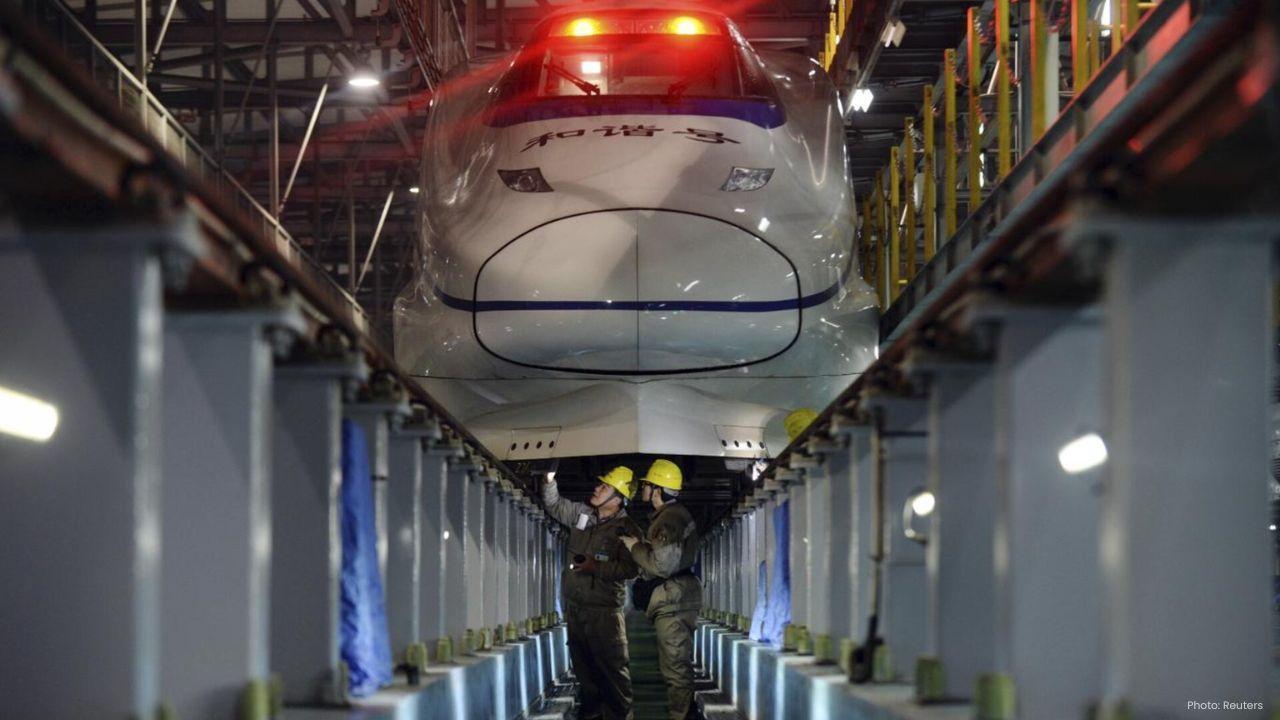
During the visit, the leaders were briefed by the chairman of JR East about the technical aspects, safety features, and performance capabilities of Japan’s bullet trains. They observed the ALFA-X train up close, learning about its speed, efficiency, and innovative engineering. This visit underscores the importance that both India and Japan place on knowledge sharing, technical training, and long-term partnerships in the field of railway infrastructure.
Tour of Key Industrial Facilities in Sendai
PM Modi’s itinerary in Sendai included a visit to some of the region’s most important industrial facilities. Among them was a new semiconductor plant and a bullet train coach manufacturing site. The semiconductor plant, located in the Second Northern Sendai Central Industrial Park in Ohira Village, is a joint venture between Taiwan’s Powerchip Semiconductor Manufacturing Corporation (PSMC), SBI Holdings, and Japanese stakeholders, established under the name Japan Semiconductor Manufacturing Company (JSMC).
The plant is a landmark project for Japan, representing one of the country’s largest efforts to rejuvenate its chip-making industry. It aligns perfectly with the global demand for semiconductors and highlights the technological and economic significance of the Indo-Japanese partnership. PM Modi’s visit to the facility reflects India’s interest in learning from Japan’s semiconductor technology and exploring avenues for collaboration in this strategically important sector.
This visit also emphasizes the broader focus of India and Japan on economic security, technological development, artificial intelligence, clean energy, and critical minerals. Both nations recognize that innovation and industrial growth are crucial for sustainable development, job creation, and global competitiveness.
Strengthening India-Japan Strategic Relations
Prime Minister Modi arrived in Japan on Friday for a two-day official visit aimed at reinforcing the strong ties between Delhi and Tokyo. During the visit, both countries adopted a landmark joint vision titled “India-Japan Joint Vision for the Next Decade: Eight Directions to Steer the Special Strategic and Global Partnership.” This vision outlines comprehensive strategies for bilateral cooperation in technology, trade, infrastructure, defense, and global diplomacy over the next ten years.
The two nations also signed a joint declaration on security cooperation, further cementing their commitment to regional peace, stability, and mutual trust. Additionally, the countries signed agreements on scientific research, technology exchange, and space exploration, highlighting the multifaceted nature of the Indo-Japanese partnership.
A major milestone of the visit was the signing of the implementing arrangement for the Chandrayaan-5 mission, a joint lunar exploration initiative by the Indian Space Research Organisation (ISRO) and Japan’s space agency. This collaboration showcases India and Japan’s shared ambition in space research and scientific exploration, which could pave the way for future joint missions and technological breakthroughs.
Meetings with Japanese Officials
On Saturday morning, PM Modi held discussions with governors of 16 Japanese prefectures in Tokyo. These meetings focused on cooperation in areas such as economic growth, technology, education, and innovation. Both sides explored ways to expand industrial investment, enhance research and development, and strengthen people-to-people ties.
These discussions are a testament to the depth of the strategic partnership between India and Japan. They demonstrate that the relationship goes beyond diplomacy and includes real-world collaboration in industry, technology, and human resource development.
Next Steps for PM Modi
After completing his engagements in Japan, PM Modi is scheduled to travel to China to participate in the Shanghai Cooperation Organisation (SCO) summit. His trip reflects a broader diplomatic strategy to engage with regional partners, enhance economic ties, and strengthen India’s position in international forums.
Prime Minister Modi’s visit to Japan symbolizes a dynamic approach to bilateral cooperation. From traveling in Japan’s fastest bullet trains to observing advanced industrial facilities, his itinerary underscores the shared commitment of India and Japan toward technology, economic growth, and strategic partnership.
The visit not only strengthens diplomatic ties but also sets the stage for future collaboration in sectors such as railways, semiconductors, clean energy, and space research. Through these initiatives, India and Japan are jointly working to ensure sustainable development, technological advancement, and stronger economic and strategic bonds in the years to come.
PM Modi Japan visit, India Japan partnership, Sendai bullet train



Advances in Aerospace Technology and Commercial Aviation Recovery
Insights into breakthrough aerospace technologies and commercial aviation’s recovery amid 2025 chall

Defense Modernization and Strategic Spending Trends
Explore key trends in global defense modernization and strategic military spending shaping 2025 secu

Tens of Thousands Protest in Serbia on Anniversary of Deadly Roof Collapse
Tens of thousands in Novi Sad mark a year since a deadly station roof collapse that killed 16, prote

Canada PM Carney Apologizes to Trump Over Controversial Reagan Anti-Tariff Ad
Canadian PM Mark Carney apologized to President Trump over an Ontario anti-tariff ad quoting Reagan,

The ad that stirred a hornets nest, and made Canadian PM Carney say sorry to Trump
Canadian PM Mark Carney apologizes to US President Trump after a tariff-related ad causes diplomatic

Bengaluru-Mumbai Superfast Train Approved After 30-Year Wait
Railways approves new superfast train connecting Bengaluru and Mumbai, ending a 30-year demand, easi




