Post by : Saif
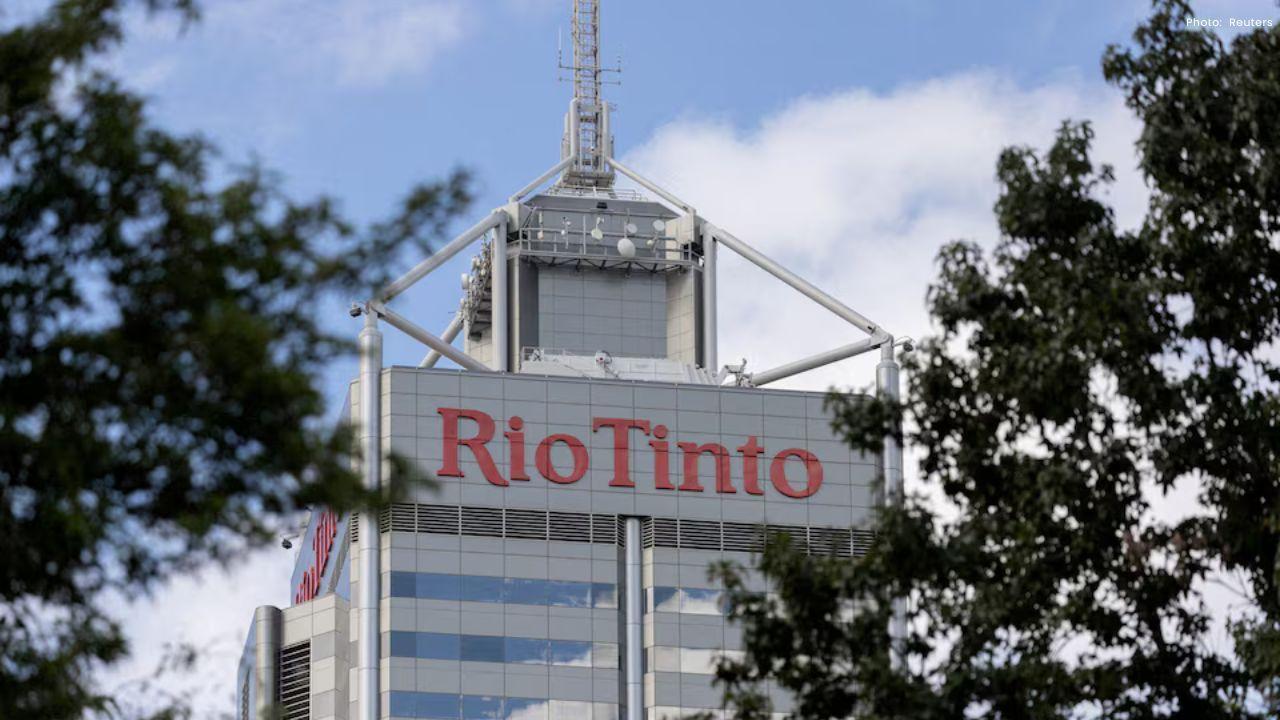
Rio Tinto has ended its takeover and merger discussions with Glencore, and many Australian investors have welcomed the decision. The move is being seen as a sign that the mining giant is choosing financial discipline and long-term planning over rushing into a very large and risky deal. Market experts say this step shows that the company is serious about protecting shareholder value and staying focused on its core strategy.
The merger talks between Rio Tinto and Glencore became public in January. If the deal had gone through, it would have created the world’s largest mining company, with a combined market value of more than $200 billion. Such a merger would have changed the global mining industry and increased the combined company’s control over important metals like copper and iron ore. However, after weeks of discussion, Rio Tinto announced that both sides could not agree on terms that would provide enough value for its shareholders, so the talks were stopped.
Many investors were worried from the beginning that Rio Tinto might end up paying too much to complete the deal. Reports in the market suggested that Glencore wanted its shareholders to hold about 40 percent of the merged company. This raised concerns among Rio investors who felt that the price and structure were not balanced. They feared that Rio might stretch its finances just to secure size and market power.
Large mergers often look attractive on paper, but history shows that mega-mergers can create serious problems later. When two huge companies combine, they must merge systems, teams, projects, and cultures. This process can take years and often leads to delays, confusion, and higher costs. In the mining sector, several past mega-mergers failed to deliver the expected benefits. Because of this track record, many fund managers prefer careful growth instead of bold takeover moves.
Investor reaction after the announcement was clearly positive. Rio Tinto’s shares on the Australian stock exchange jumped sharply in early trading and even touched a record high before settling slightly lower. This happened on a day when the broader market was falling, which makes the share rise more meaningful. When a company’s stock goes up after canceling a merger, it usually means investors are relieved and believe management made the right call.
Several major shareholders publicly praised the company’s leadership for not overpaying. They said walking away from a difficult deal shows strong discipline. Investors noted that a merger of this size would have created years of integration work and uncertainty. Instead, they want the company to concentrate on projects already in development and improve returns from existing assets.
The decision is also important for Rio Tinto’s chief executive, Simon Trott, who took charge last August. Big takeover decisions often become early tests for a new CEO. Some portfolio managers said this was his first major leadership test and that he handled it well. By refusing to push forward with a deal that did not meet value targets, he showed patience and control.
Trott has said he wants Rio Tinto to become stronger, sharper, and simpler. His plan focuses on core operations, better efficiency, and careful use of company money. Investors say a giant merger with Glencore would have made the business more complex instead of simpler. That is another reason why many shareholders support the decision to stop the talks.
Copper demand was one of the main reasons behind Rio Tinto’s interest in Glencore. Copper is a key metal used in electric vehicles, renewable energy systems, and modern power networks. Demand is expected to grow in the coming years. Glencore owns strong copper assets, and a merger would have quickly increased Rio’s copper exposure. However, investors now say the company can grow in copper through smaller deals, joint ventures, and project development instead of buying an entire global rival.
Some analysts described the canceled deal as a lucky escape, while others said it shows Rio Tinto is at least willing to study large opportunities. They believe management is open to big moves but only if the price and terms are right. Investors generally support that balanced approach — being open to growth but firm on value.
Now that the Glencore talks are over, investor attention will turn to how Rio Tinto performs with its current project pipeline. Shareholders will watch for steady production, cost control, and smart investment decisions. They will also expect the company to return value through dividends and stable performance.
The global mining industry faces many challenges, including price swings, environmental rules, and political risks. In such conditions, careful planning and capital discipline are especially important. By stepping away from the merger, Rio Tinto has signaled that it prefers steady, controlled growth instead of headline-making expansion. For now, most investors appear satisfied with that choice, but they will expect strong results in the years ahead.
#trending #latest #RioTinto #Glencore #MiningIndustry #CorporateStrategy #InvestorView #GlobalMining #CopperMarket #BusinessNews #StockMarket #armustnews



Advances in Aerospace Technology and Commercial Aviation Recovery
Insights into breakthrough aerospace technologies and commercial aviation’s recovery amid 2025 chall

Defense Modernization and Strategic Spending Trends
Explore key trends in global defense modernization and strategic military spending shaping 2025 secu

Tens of Thousands Protest in Serbia on Anniversary of Deadly Roof Collapse
Tens of thousands in Novi Sad mark a year since a deadly station roof collapse that killed 16, prote

Canada PM Carney Apologizes to Trump Over Controversial Reagan Anti-Tariff Ad
Canadian PM Mark Carney apologized to President Trump over an Ontario anti-tariff ad quoting Reagan,

The ad that stirred a hornets nest, and made Canadian PM Carney say sorry to Trump
Canadian PM Mark Carney apologizes to US President Trump after a tariff-related ad causes diplomatic

Bengaluru-Mumbai Superfast Train Approved After 30-Year Wait
Railways approves new superfast train connecting Bengaluru and Mumbai, ending a 30-year demand, easi




