Post by : Amit
Samsung Heavy Industries (SHI) and Evergreen Marine Corporation have unveiled a virtual reality (VR) training program specifically designed for seafarers operating dual-fuel vessels. This cutting-edge training initiative signals a growing industry focus on digital learning tools to prepare crews for the complex operational challenges posed by alternative fuel ships.
As the shipping industry accelerates its transition to low-emission fuels like LNG and methanol, the need for advanced, immersive training has never been more urgent. The SHI-Evergreen collaboration reflects this reality, combining shipbuilding expertise with operational know-how to create a realistic, high-impact learning environment for maritime professionals.
The Need for Specialized Training in Dual-Fuel Ship Operations
With dual-fuel vessels becoming increasingly common as the industry strives to meet International Maritime Organization (IMO) decarbonization targets, crews are now required to master new fuel systems, engine configurations, and safety protocols.
Unlike traditional marine fuels, LNG, methanol, and future green fuels demand precise handling due to their volatility and operational complexity. This has raised concerns about seafarer preparedness, particularly as many crew members have limited exposure to these advanced technologies.
The new VR-based training module developed by SHI and Evergreen aims to bridge this gap by allowing seafarers to experience critical procedures in a safe, controlled, and interactive environment before stepping onboard.
How the VR Training System Works
The training solution uses immersive virtual reality simulations to replicate real-life scenarios that dual-fuel vessel crews are likely to encounter. Key training modules include:
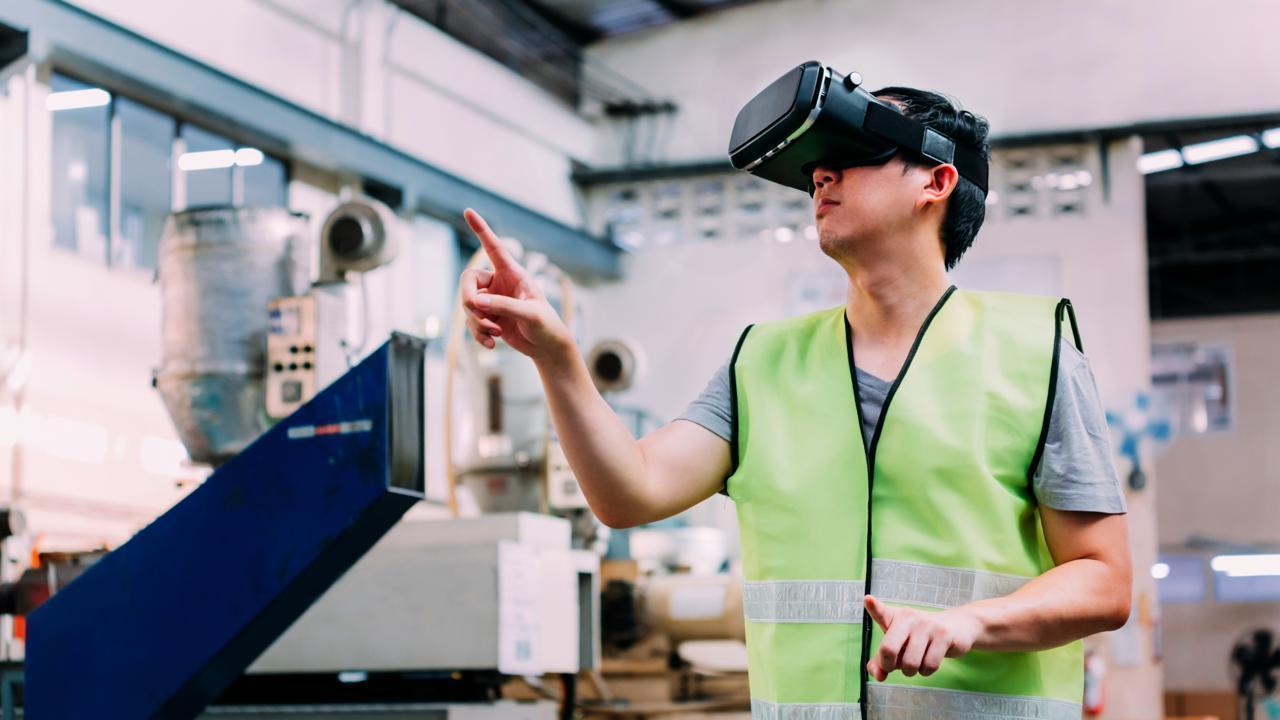
Participants wear VR headsets and interact with hyper-realistic shipboard environments, including engine rooms, bridge controls, and fuel management systems. The hands-on experience allows them to practice complex maneuvers, respond to simulated emergencies, and gain muscle memory without the risks associated with onboard training.
Enhancing Maritime Safety and Operational Readiness
The SHI-Evergreen VR training represents a proactive approach to risk management and crew competency, two critical factors in the safe operation of dual-fuel vessels. By simulating emergency scenarios such as fuel leaks, equipment malfunctions, and fire incidents, the program equips seafarers with the knowledge and decision-making skills needed to handle real-life situations effectively.
Furthermore, the digital nature of the training allows for frequent updates, ensuring that crews are always prepared for the latest technological and regulatory changes affecting dual-fuel operations.
Supporting the Global Green Shipping Transition
As part of the wider decarbonization of maritime transport, shipping companies are rapidly adopting LNG, methanol, biofuels, and eventually ammonia or hydrogen to meet stringent emissions regulations. However, the shift to greener fuels also introduces new risks and operational challenges.
The SHI and Evergreen VR program aligns with global efforts to support this transition by ensuring that crew training keeps pace with technical innovation. Well-trained crews are essential for the safe adoption of alternative fuels, and digital tools like VR are increasingly seen as cost-effective, scalable solutions to this challenge.
Digitalization: Transforming Maritime Human Resource Development
This initiative also reflects a broader trend towards digital transformation in maritime education and human resource development. VR, augmented reality (AR), and simulator-based training are being rapidly adopted across the industry to complement traditional classroom and onboard learning.
By offering interactive, scenario-based instruction, VR training engages younger seafarers—many of whom are already comfortable with digital interfaces—while ensuring consistency and quality in training delivery across global fleets.
Evergreen and SHI: A Strategic Partnership for Innovation
The collaboration between Evergreen, one of the world’s largest container shipping lines, and Samsung Heavy Industries, a global leader in shipbuilding, reflects a strategic alignment of operational excellence and technological innovation.
Both companies recognize that the successful deployment of dual-fuel ships depends not only on vessel design but also on crew readiness, safety protocols, and operational reliability. Their joint development of this VR system sets a new standard for how the shipping industry can tackle complex challenges through cross-sector partnerships.
A Future of Continuous Learning and Compliance
With IMO’s GHG reduction targets and the growing complexity of marine fuels, ship operators are under increasing pressure to ensure that crews remain compliant with evolving safety and environmental regulations. VR-based training offers a scalable way to deliver:
The VR solution also supports remote training, enabling seafarers to learn from anywhere, thus addressing the logistical challenges of in-person maritime education.
The Role of Immersive Tech in Shipping
As shipping companies navigate an era of rapid fuel innovation, automation, and digitalization, immersive technologies like VR are set to play a central role in workforce development. Beyond dual-fuel training, similar platforms are being explored for areas such as remote maintenance, navigation, cargo handling, and port operations.
By investing early in such tools, SHI and Evergreen are positioning themselves as technology leaders in maritime safety and training, while also contributing to the global push for cleaner, safer, and smarter shipping.
Pioneering a New Standard for Green Ship Training
With the launch of their VR-based dual-fuel vessel training program, Samsung Heavy Industries and Evergreen Marine are setting a new benchmark for how digital innovation can enhance safety, efficiency, and sustainability in the maritime sector. This forward-thinking approach ensures that as ships become greener, the people operating them are equally equipped to meet the challenges of tomorrow’s oceans.
marintime, Technology, Fleets



Advances in Aerospace Technology and Commercial Aviation Recovery
Insights into breakthrough aerospace technologies and commercial aviation’s recovery amid 2025 chall

Defense Modernization and Strategic Spending Trends
Explore key trends in global defense modernization and strategic military spending shaping 2025 secu

Tens of Thousands Protest in Serbia on Anniversary of Deadly Roof Collapse
Tens of thousands in Novi Sad mark a year since a deadly station roof collapse that killed 16, prote

Canada PM Carney Apologizes to Trump Over Controversial Reagan Anti-Tariff Ad
Canadian PM Mark Carney apologized to President Trump over an Ontario anti-tariff ad quoting Reagan,

The ad that stirred a hornets nest, and made Canadian PM Carney say sorry to Trump
Canadian PM Mark Carney apologizes to US President Trump after a tariff-related ad causes diplomatic

Bengaluru-Mumbai Superfast Train Approved After 30-Year Wait
Railways approves new superfast train connecting Bengaluru and Mumbai, ending a 30-year demand, easi




