Post by : Saif
SpaceX, the private space company led by Elon Musk, is changing its near-term space travel goals. Instead of rushing toward Mars, the company is now focusing first on the moon. According to a Wall Street Journal report based on investor discussions, SpaceX plans to attempt an uncrewed lunar landing by March 2027. This marks a major shift in direction for a company that has long spoken about making humans a multi-planet species through Mars missions.
For years, Mars has been presented as SpaceX’s biggest dream. Elon Musk has often said that building a city on Mars is one of his life goals. Earlier statements from the company suggested that an uncrewed Mars mission could launch as early as the end of 2026. But space missions are complex, expensive, and risky. Changing timelines is common in the space industry. The new plan shows that SpaceX may be choosing a more careful and step-by-step approach.
The moon offers a closer and more practical testing ground. It is far nearer to Earth than Mars and easier to reach in terms of time and fuel. A mission to the moon allows engineers to test new systems, landing methods, and hardware under real space conditions without the long delay and higher danger of a Mars journey. If something goes wrong, lessons can be learned faster.
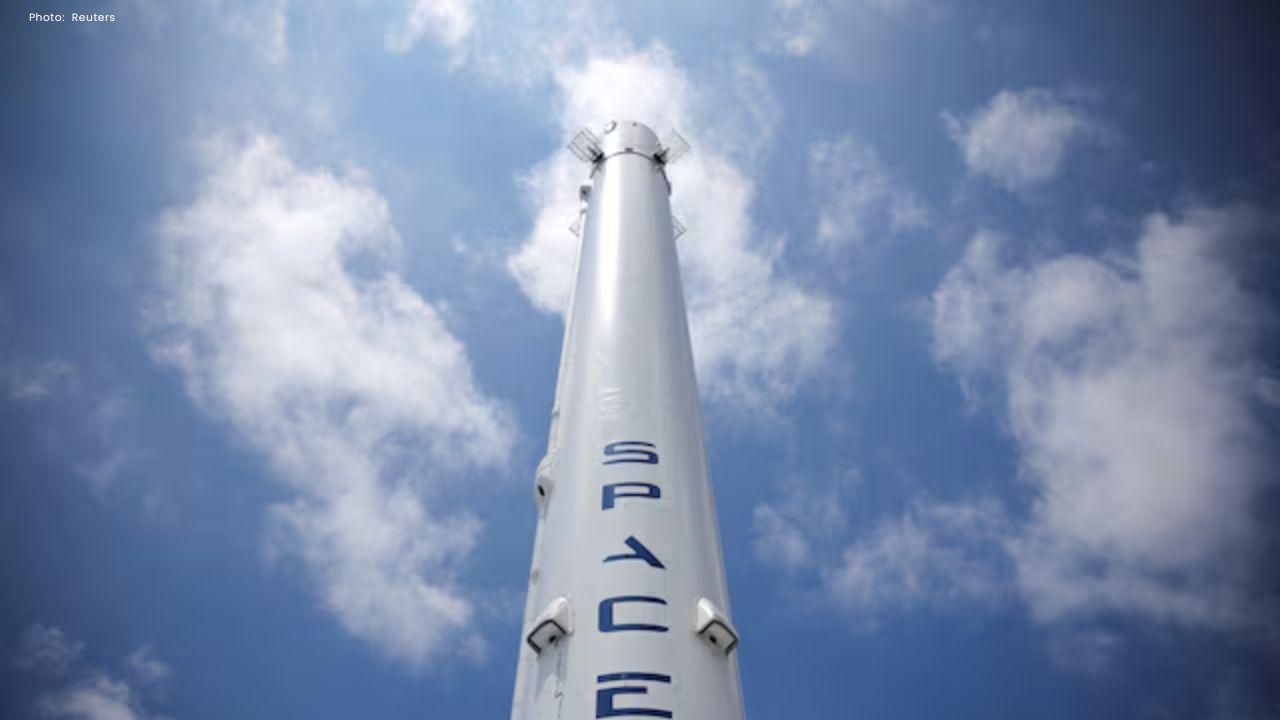
At the center of these plans is Starship, SpaceX’s next-generation rocket. Starship is designed to be fully reusable, which means it can fly, land, and fly again like an airplane. This is different from many older rockets that are used only once. Starship is built to carry large amounts of cargo and eventually humans to deep space destinations, including both the moon and Mars. However, Starship is still under development and testing. Several test flights have shown progress, but also highlighted technical challenges.
Focusing on the moon first also fits into the larger global space race. The United States is working to return astronauts to the moon through NASA’s Artemis program. China is also moving forward with its own lunar plans. No human has walked on the moon since 1972, during the final Apollo mission. A successful private-sector lunar landing would be a strong message about American space capability and commercial leadership.
An uncrewed moon landing in 2027 would likely support NASA’s broader goals as well. SpaceX is already deeply involved in U.S. space missions. The company launches astronauts to the International Space Station and sends satellites into orbit. It is also developing a lunar lander version of Starship for NASA contracts. By putting more energy into lunar work now, SpaceX may be aligning its business goals with government programs that offer steady funding and clear timelines.
There is also a business angle behind this change. Space projects cost billions of dollars and require investor confidence. Reports say SpaceX recently agreed to acquire xAI in a deal that places very high valuations on both companies. Big financial moves often come with pressure to show realistic schedules and reachable milestones. A moon mission within a few years may look more practical to investors than a rushed Mars attempt.
Some space supporters may feel disappointed by a Mars delay. Mars has captured public imagination for decades. It represents exploration, risk, and the idea of a second home for humanity. But history shows that big achievements in space usually happen in stages. Earth orbit came first, then the moon, and only after that did deeper space missions grow. From this view, returning to the moon is not a step back but a smart step forward.
If SpaceX succeeds with a safe uncrewed moon landing using Starship, it will prove many key technologies. These include heavy cargo delivery, precise landing, and reusable deep-space transport. Each success builds confidence for the harder Mars journey later. Mars is not just farther away — it also has tougher landing conditions, longer travel time, and fewer rescue options.
Space exploration is never a straight road. Plans change as technology, money, and politics change. What matters most is steady progress. By choosing the moon now and Mars later, SpaceX appears to be adjusting its path, not giving up its dream. The next few years will show whether this strategy leads to faster and safer deep space travel.
#trending #latest #SpaceX #MoonMission #MarsMission #Starship #LunarLanding #SpaceNews #PrivateSpace #RocketScience #FutureOfSpace #armustnews



Advances in Aerospace Technology and Commercial Aviation Recovery
Insights into breakthrough aerospace technologies and commercial aviation’s recovery amid 2025 chall

Defense Modernization and Strategic Spending Trends
Explore key trends in global defense modernization and strategic military spending shaping 2025 secu

Tens of Thousands Protest in Serbia on Anniversary of Deadly Roof Collapse
Tens of thousands in Novi Sad mark a year since a deadly station roof collapse that killed 16, prote

Canada PM Carney Apologizes to Trump Over Controversial Reagan Anti-Tariff Ad
Canadian PM Mark Carney apologized to President Trump over an Ontario anti-tariff ad quoting Reagan,

The ad that stirred a hornets nest, and made Canadian PM Carney say sorry to Trump
Canadian PM Mark Carney apologizes to US President Trump after a tariff-related ad causes diplomatic

Bengaluru-Mumbai Superfast Train Approved After 30-Year Wait
Railways approves new superfast train connecting Bengaluru and Mumbai, ending a 30-year demand, easi




