Post by : Amit
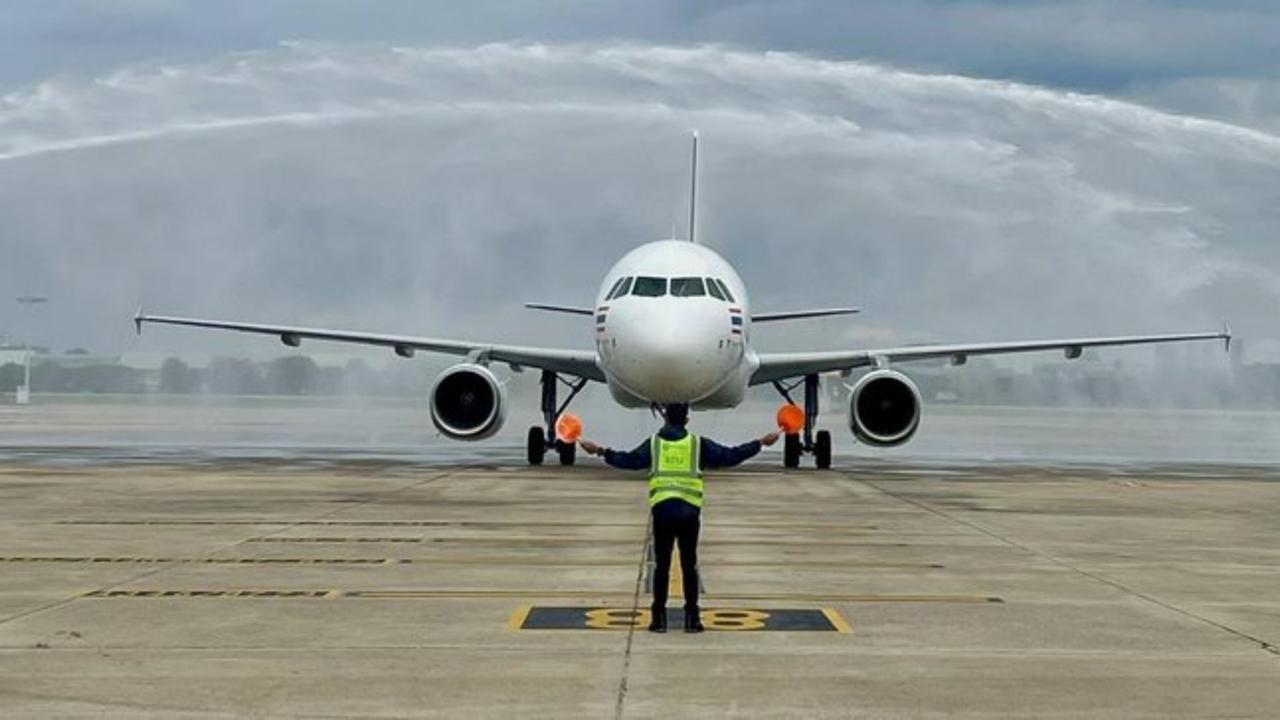
Photo : X / FlightGlobal
A New Beginning in Southeast Asia
In a development that highlights the continued dynamism of Asia’s aviation sector, Thai SmartLynx has officially received its first aircraft. The milestone marks the beginning of a new chapter for the carrier, positioning it to compete in a region where demand for air travel and aviation leasing is once again on the rise. For both the airline and the wider aviation market, this aircraft delivery symbolizes confidence in Southeast Asia’s long-term potential, even as the industry navigates ongoing challenges.
Fleet Expansion with Strategic Timing
The arrival of the aircraft is more than just a fleet addition; it is a calculated step in a broader expansion strategy. For Thai SmartLynx, the timing could not be more significant. Regional carriers are steadily rebuilding their operations after pandemic-driven disruptions, while passenger demand in Southeast Asia has surged back with remarkable strength. The decision to bring in the first aircraft now reflects a blend of opportunity and foresight, signaling to the market that the airline intends to play a serious role in the region’s aviation recovery.
The Leasing Angle
Behind this move lies a larger story about aviation leasing, an industry that has become indispensable to the growth of airlines across Asia. By securing its first aircraft through leasing, Thai SmartLynx joins a growing number of operators who prefer the flexibility that leased fleets provide. Leasing not only reduces the upfront cost of fleet expansion but also allows airlines to scale operations quickly in response to market demand. This delivery underlines how leasing firms remain critical partners in ensuring that carriers like Thai SmartLynx can expand without being weighed down by capital-heavy purchases.
Competitive Market Landscape
Thailand’s aviation landscape is among the most competitive in the region. Major players, both full-service and low-cost, dominate the market, and the entry of Thai SmartLynx with its fleet expansion ambitions raises the competitive bar even further. The first aircraft is just a beginning, but it sets the tone for an airline that plans to carve out a niche by offering flexibility, efficiency, and cost competitiveness. For competitors, the new entrant represents both a challenge and a reminder that the region’s market continues to evolve.
The Aircraft Delivery Significance
Every aircraft delivery carries symbolic weight, but the first one is especially meaningful. It is the moment an airline transforms from a business plan into a tangible operation. For Thai SmartLynx, the delivery sends a message to investors, regulators, and customers: operations are not just planned—they are real. The delivery also opens the door to new partnerships, both in maintenance and operations, further embedding the airline into the regional aviation ecosystem.
Why Southeast Asia Matters
The choice of Thailand as the base for SmartLynx’s expansion highlights the importance of Southeast Asia as a hub of aviation growth. The region combines a large population, growing middle class, and expanding tourism industry, all of which feed directly into rising passenger traffic. Even amid economic uncertainties, Southeast Asia has consistently proven to be one of the fastest-growing aviation markets in the world. By anchoring its operations here, Thai SmartLynx is tapping into a long-term trend that is unlikely to slow anytime soon.
Investor Confidence in Fleet Expansion
Investors often look at aircraft deliveries as a litmus test of confidence. The fact that Thai SmartLynx has moved forward with its fleet expansion plan reflects investor belief in both the company and the wider market. Aircraft leasing deals, particularly the first ones, require complex negotiations, regulatory approvals, and financial backing. Successfully completing such a transaction is not only a milestone for the airline but also an affirmation of its credibility in the eyes of partners and financiers.
Operational Readiness and Market Goals
The arrival of the first aircraft also raises questions about operational readiness. How quickly can Thai SmartLynx turn a delivery into active service? According to industry observers, the airline is likely preparing to launch operations in short order, with crew training, regulatory clearances, and route planning already underway. For a startup carrier, the speed at which an aircraft enters service can often determine early success, and Thai SmartLynx seems determined to capitalize on the momentum this delivery brings.
Broader Impact on Aviation Leasing
The leasing industry itself benefits from moments like this. Fleet expansion in emerging markets such as Southeast Asia represents an opportunity for lessors to diversify portfolios and strengthen long-term relationships with growing airlines. Leasing companies thrive on repeat business, and the first aircraft delivery to Thai SmartLynx could pave the way for a series of additional deals in the near future. For the lessors involved, it is not only a single transaction but a foothold in one of the aviation world’s most promising growth markets.
Learning from Regional Examples
Other carriers in Asia have shown how strategic leasing and fleet expansion can lead to rapid growth. From budget airlines in Vietnam to established players in Indonesia, the formula of leasing aircraft, scaling quickly, and then optimizing routes has proven successful. Thai SmartLynx is following a similar path, but with the added advantage of entering at a moment when demand is surging back after years of suppressed travel. This timing could give the airline a critical edge as it positions itself among competitors.
The Passenger Perspective
For passengers, the arrival of Thai SmartLynx’s first aircraft may not yet translate into immediate changes, but in the medium term, it could mean more travel options, competitive fares, and enhanced connectivity. As airlines like Thai SmartLynx grow their fleets, the customer benefits are often seen in greater seat availability and improved route networks. For Thailand, a country heavily reliant on tourism, such developments also reinforce its status as a key aviation hub.
Industry Challenges Remain
Despite the optimism, challenges remain for Thai SmartLynx and the broader aviation sector. Fuel prices, fluctuating demand, and rising competition all pose risks to newly launched operations. Leasing, while advantageous in terms of flexibility, also brings financial commitments that must be carefully managed. For Thai SmartLynx, success will depend not only on expanding the fleet but also on managing costs, building brand trust, and navigating a highly competitive market.
The Long-Term Vision
Looking beyond this first aircraft, Thai SmartLynx appears to be building toward a larger long-term vision. Fleet expansion is likely to continue in phases, with additional aircraft deliveries anticipated in the coming months. The broader strategy will likely involve not just operating flights within Thailand but also targeting regional connectivity across Southeast Asia. By focusing on both domestic and international opportunities, the airline could position itself as a flexible and adaptable player in a fast-moving market.
Closing the Loop on Aviation Growth
In many ways, Thai SmartLynx’s first aircraft delivery encapsulates the story of modern aviation growth. It brings together fleet expansion, aviation leasing, and the relentless demand for connectivity in Southeast Asia. While challenges are inevitable, the symbolism and strategic importance of this delivery cannot be understated. It represents not just the start of operations but also a broader signal of confidence in aviation’s resilience and long-term trajectory in Asia.
A Symbol of Renewal
As the aircraft takes its place in Thai SmartLynx’s fleet, it carries with it a sense of renewal for the airline industry in the region. After years of turbulence, uncertainty, and grounded fleets, the arrival of a new aircraft—especially the first one for a new airline—stands as a powerful reminder of aviation’s ability to recover, adapt, and grow. For Thai SmartLynx, it is the first step in a journey that will be closely watched by competitors, regulators, and passengers alike.
fleet expansion, aviation leasing, aircraft delivery



Advances in Aerospace Technology and Commercial Aviation Recovery
Insights into breakthrough aerospace technologies and commercial aviation’s recovery amid 2025 chall

Defense Modernization and Strategic Spending Trends
Explore key trends in global defense modernization and strategic military spending shaping 2025 secu

Tens of Thousands Protest in Serbia on Anniversary of Deadly Roof Collapse
Tens of thousands in Novi Sad mark a year since a deadly station roof collapse that killed 16, prote

Canada PM Carney Apologizes to Trump Over Controversial Reagan Anti-Tariff Ad
Canadian PM Mark Carney apologized to President Trump over an Ontario anti-tariff ad quoting Reagan,

The ad that stirred a hornets nest, and made Canadian PM Carney say sorry to Trump
Canadian PM Mark Carney apologizes to US President Trump after a tariff-related ad causes diplomatic

Bengaluru-Mumbai Superfast Train Approved After 30-Year Wait
Railways approves new superfast train connecting Bengaluru and Mumbai, ending a 30-year demand, easi




