Post by : Saif
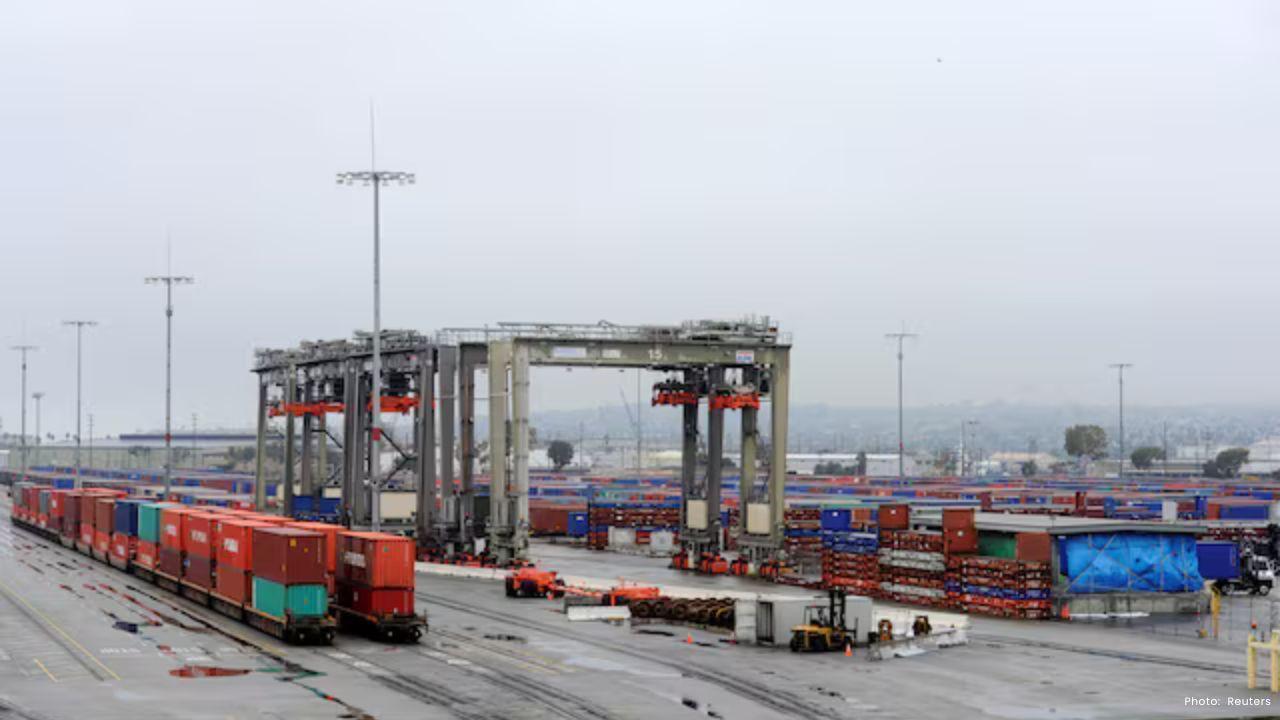
Trade data from the Port of Los Angeles shows a worrying signal for U.S. exporters. The port, known as the busiest seaport in the United States, reported a sharp fall in exports at the start of the year. Port officials say shipments heading to China look especially weak, raising fresh concerns about global trade and the health of export businesses.
Port Executive Director Gene Seroka said January exports dropped 8% compared to a year earlier. That makes it the lowest monthly export total in nearly three years. In simple terms, fewer American goods are leaving through the port and heading to overseas buyers.
The numbers are even more troubling when looking at trade with China. According to port data, soybean exports moving from Los Angeles to China fell by about 80% last year. That is a very steep drop for one of America’s most important farm products. Soybeans are widely used for food, animal feed, and cooking oil, and China has long been one of the biggest buyers.
This fall in exports is not limited to soybeans. Trade experts say other American goods — including beef, corn, crude oil, and coal — have also seen lower shipment levels going to China. When several major product groups fall at the same time, it often points to deeper trade tension rather than normal market changes.
One major reason behind this slowdown is ongoing tariff battles. Tariffs are special taxes placed on imported goods. During the presidency of Donald Trump, the United States increased tariffs on many Chinese products. China responded with its own tariffs on U.S. goods. These back-and-forth penalties made products more expensive and less attractive on both sides.
When tariffs rise, buyers often look for cheaper suppliers in other countries. That appears to be happening now. Farmers and exporters in the U.S. are feeling the pressure because their goods cost more in foreign markets after tariffs are added.
Imports through the port are also showing mixed signals. January imports were down 13% compared to the very strong numbers seen a year earlier. However, port officials say that earlier period was unusually busy because many companies rushed shipments before new tariffs took effect. That makes the comparison look worse than it may really be.
February import levels look mostly flat so far, meaning they are close to last year’s numbers. Still, a slowdown is expected in March because many factories in China close temporarily for the Lunar New Year holiday. When factories close, fewer goods are shipped.
Despite the weak export numbers, port leadership is not predicting a sudden crash. Seroka said he does not expect cargo volumes or the wider economy to “drop off a cliff.” Retail sales in the United States were softer than expected during the holiday season, but not disastrous. Since consumer spending makes up a large share of the U.S. economy, steady — even if slower — buying can help prevent a deeper downturn.
From an editorial view, this situation shows how strongly global trade depends on stable relationships between major economies. Ports are like economic thermometers. When trade flows strongly, ports are busy and growing. When trade tensions rise, ports feel the slowdown quickly.
The export weakness also highlights risk for American farmers and energy producers. When one large buyer reduces orders, it can take time to find new markets. That gap can hurt prices, incomes, and investment in those sectors.
At the same time, the data suggests adjustment rather than collapse. Trade patterns are shifting, not stopping. Businesses are learning to move goods through different routes and sell to different countries. Such transitions are often slow and sometimes painful, but they are part of how global trade evolves.
The key question now is whether trade tensions will ease or grow. If tariff pressure continues, exports to major markets may remain weak. If talks improve and barriers fall, shipments could recover. For now, the warning from America’s busiest port is clear: export strength cannot be taken for granted.
#trending #latest #PortOfLosAngeles #USTrade #ChinaTrade #GlobalShipping #Exports #Tariffs #SupplyChain #Economy #armustnews



Advances in Aerospace Technology and Commercial Aviation Recovery
Insights into breakthrough aerospace technologies and commercial aviation’s recovery amid 2025 chall

Defense Modernization and Strategic Spending Trends
Explore key trends in global defense modernization and strategic military spending shaping 2025 secu

Tens of Thousands Protest in Serbia on Anniversary of Deadly Roof Collapse
Tens of thousands in Novi Sad mark a year since a deadly station roof collapse that killed 16, prote

Canada PM Carney Apologizes to Trump Over Controversial Reagan Anti-Tariff Ad
Canadian PM Mark Carney apologized to President Trump over an Ontario anti-tariff ad quoting Reagan,

The ad that stirred a hornets nest, and made Canadian PM Carney say sorry to Trump
Canadian PM Mark Carney apologizes to US President Trump after a tariff-related ad causes diplomatic

Bengaluru-Mumbai Superfast Train Approved After 30-Year Wait
Railways approves new superfast train connecting Bengaluru and Mumbai, ending a 30-year demand, easi




