Post by : Saif
China's technology company Baidu has begun testing its autonomous robotaxi in London as it prepares to expand driverless transport services in Europe. Baidu's Apollo Go unit and Freenow, a ride-hailing business owned by US-based Lyft, unveiled the RT6 autonomous vehicle in London on October 22, 2026.
The companies aim to launch a commercial robotaxi service in the British capital in 2027. Testing began during the summer with safety drivers inside the vehicles, while the next stage is expected to move towards fully driverless operations.
Baidu's Apollo Go develops autonomous driving technology and operates robotaxi services. Its RT6 vehicle is designed for driverless transport, while Freenow brings ride-hailing experience to the partnership.
The companies are working towards introducing vehicles that can transport passengers without a human driver behind the wheel. However, the service remains in the testing stage, and the proposed 2027 commercial launch is a target rather than a confirmed operating date.
The move highlights growing interest in autonomous transport in major European cities, where technology companies are exploring ways to introduce self-driving vehicles into existing ride-hailing networks.
Baidu and Lyft are entering a market where several companies are already developing autonomous ride services.
UK self-driving technology startup Wayve and ride-hailing company Uber launched a robotaxi service in London in September 2026. Their initial operations also used a human safety driver.
Meanwhile, Waymo, the autonomous driving business owned by Google's parent company Alphabet, has announced plans to launch a fully driverless ride-hailing service in London by the end of 2026.
These developments show that London is becoming an important testing ground for autonomous transport. Companies are competing to demonstrate the reliability of their technology and establish a position in the potential driverless taxi market.
The Baidu-Lyft partnership in London comes amid growing political and trade tensions involving Chinese vehicles in the United States.
US lawmakers are working towards a permanent ban on Chinese cars, according to the report. This policy debate could influence where companies choose to expand their automotive and autonomous driving operations.
Europe offers a different market for companies seeking to develop partnerships and test new transport technologies. Baidu's London project also connects Chinese autonomous driving technology with an international ride-hailing platform.
The agreement does not, however, establish that the companies are abandoning the US market or guarantee that their European plans will succeed.
Read more: Tesla Begins Cybercab Rides in Austin as US Safety Agency Reviews Driverless Vehicle Launch
Robotaxis use a combination of sensors, cameras, computing systems and autonomous driving software to navigate roads and respond to traffic conditions. If widely adopted, they could change how passengers book and use taxi services.
Companies developing these vehicles are seeking to make driverless transport reliable enough for everyday use. Before commercial services can expand, operators must demonstrate that their systems can handle complex road conditions and meet applicable safety and regulatory requirements.
London's busy streets present a challenging environment for autonomous vehicles because of traffic, pedestrians, cyclists and changing road layouts. Testing with safety drivers allows companies to evaluate vehicle performance before attempting fully driverless operations.
Baidu and Lyft's partnership marks another step in the development of autonomous ride-hailing in Europe. The companies plan to progress from supervised testing towards a commercial robotaxi service in London during 2027.
Their progress will depend on testing results, safety requirements and the conditions for launching driverless services. Competition from Wayve, Uber and Waymo could also shape how quickly autonomous transport develops in the city.
For now, Baidu's RT6 remains part of a testing programme, but the planned launch reflects the growing international competition to bring driverless taxis onto public roads.
#trending #latest #Baidu #ApolloGo #Robotaxi #SelfDrivingCars #AutonomousVehicles #Lyft #Freenow #London #AItechnology #TechnologyNews


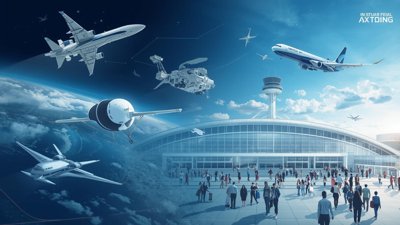
Advances in Aerospace Technology and Commercial Aviation Recovery
Insights into breakthrough aerospace technologies and commercial aviation’s recovery amid 2025 chall
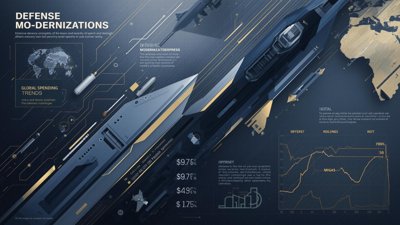
Defense Modernization and Strategic Spending Trends
Explore key trends in global defense modernization and strategic military spending shaping 2025 secu

Tens of Thousands Protest in Serbia on Anniversary of Deadly Roof Collapse
Tens of thousands in Novi Sad mark a year since a deadly station roof collapse that killed 16, prote

Canada PM Carney Apologizes to Trump Over Controversial Reagan Anti-Tariff Ad
Canadian PM Mark Carney apologized to President Trump over an Ontario anti-tariff ad quoting Reagan,

The ad that stirred a hornets nest, and made Canadian PM Carney say sorry to Trump
Canadian PM Mark Carney apologizes to US President Trump after a tariff-related ad causes diplomatic

Bengaluru-Mumbai Superfast Train Approved After 30-Year Wait
Railways approves new superfast train connecting Bengaluru and Mumbai, ending a 30-year demand, easi