Post by : Saif
Germany’s leading naval defence company, ThyssenKrupp Marine Systems (TKMS), is taking an aggressive and carefully planned approach to win one of Canada’s most important military contracts. The company is competing for a submarine deal worth more than $12 billion and is now offering far more than just advanced submarines. Its strategy focuses on long-term economic cooperation, showing how modern defence deals are no longer only about weapons but also about national growth and partnerships.
Canada plans to buy up to 12 new submarines for its navy to protect its vast coastlines across the Atlantic, Pacific, and Arctic regions. With the longest coastline in the world, Canada sees submarines as a vital part of its national security. The government has also clearly stated that such a major defence purchase must bring strong economic benefits to the country, including jobs, investment, and technology development.
TKMS is currently competing with South Korea’s Hanwha Ocean, the only other company shortlisted for the tender. A final decision is expected in 2026, making the next year crucial for both bidders. To strengthen its position, TKMS is preparing a large investment package that goes well beyond defence manufacturing. The company is in talks with German and Norwegian firms to include possible investments in rare earth minerals, mining projects, artificial intelligence, space technology, and battery production for the automotive sector.
According to TKMS CEO Oliver Burkhard, the competition has moved past technical discussions about submarines. He explained that the real focus is now on what extra value a company can bring to Canada over the next several decades. This includes so-called offset obligations, which are long-term financial commitments that defence suppliers must make to the buying country. In Canada’s case, these commitments can last up to 30 years and are meant to ensure lasting economic gains.
TKMS has confirmed that it is already speaking with companies about future investment plans in Canada and whether those plans can be formally included in the submarine deal. One of the known partners is German space startup Isar Aerospace, while discussions with other firms remain confidential. Around 30 to 40 TKMS staff are reportedly working full-time on building this offset package, showing how serious the company is about winning the contract.
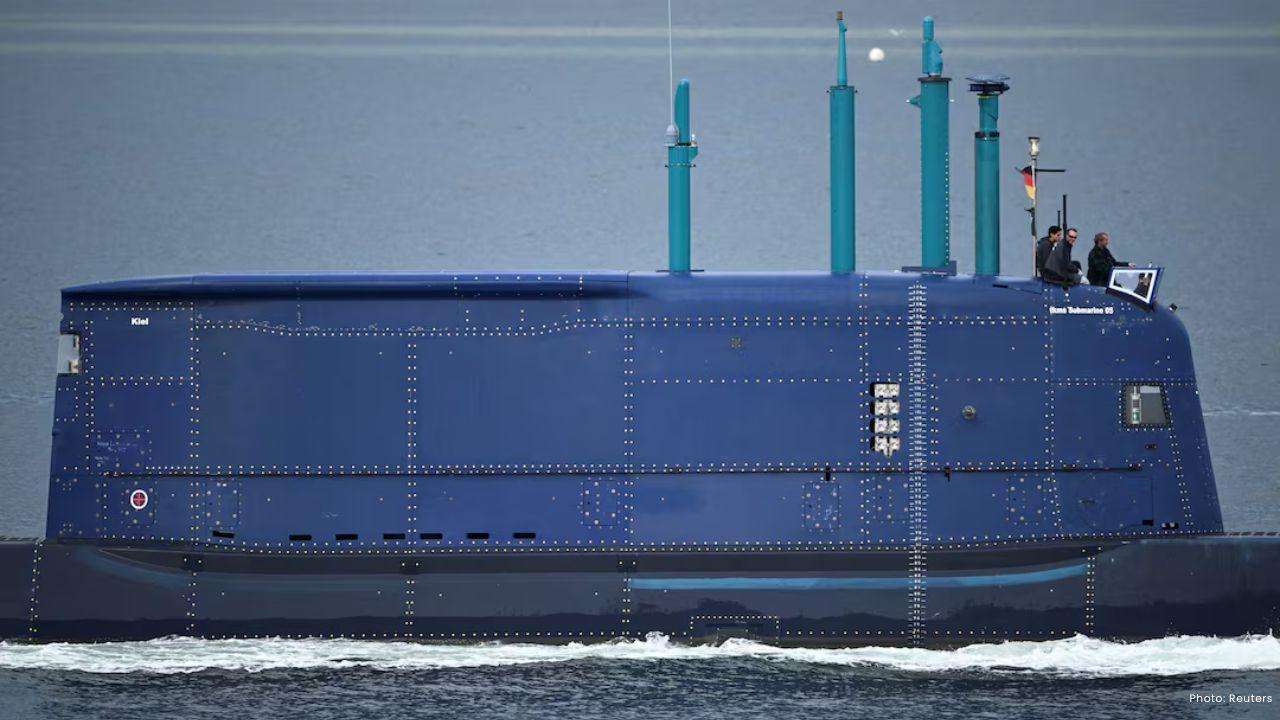
The submarine order alone is estimated to be worth more than 10 billion euros, but the total value of the deal could grow much larger depending on the size of the investment commitments included. TKMS is offering its 212CD-class submarine, a modern non-nuclear model already being supplied to Norway under a joint program with Germany. The company is the world’s largest builder of non-nuclear submarines and produces about 70% of NATO’s conventional submarine fleet, giving it strong credibility and experience.
This tender comes at a time of rising global tensions. Russia’s ongoing war in Ukraine has pushed NATO countries to strengthen their defence systems and cooperation. At the same time, trade tensions between Europe and the United States and growing strategic interest in the Arctic region have added pressure on countries like Canada to modernize their naval capabilities. Submarines play a key role in monitoring and protecting Arctic waters, making this purchase especially important.
Germany’s involvement in the bid also reflects its broader goal of strengthening defence and economic ties with key allies. Burkhard confirmed that Germany’s economy ministry, defence ministry, and the Chancellery are part of discussions related to the Canadian tender, highlighting the deal’s national importance. Canada’s defence and economy ministries have not publicly commented, but the ongoing talks suggest careful evaluation on both sides.
From an editorial perspective, this deal shows how defence contracts have evolved into complex economic agreements. TKMS’s approach matches Canada’s demand for long-term value, not just military strength. However, Canada must remain cautious. Large investment promises must be backed by clear rules, strong oversight, and firm guarantees to ensure real benefits for Canadian industries and workers.
As the 2026 decision approaches, the submarine tender will remain under close watch. The outcome will not only decide who builds Canada’s next generation of submarines, but also shape the country’s defence readiness and economic partnerships for decades to come.
#trending #latest #CanadaDefence #SubmarineDeal #TKMS #GermanyCanada #NavalSecurity #GlobalDefence #MilitaryModernization #EconomicStrategy



Advances in Aerospace Technology and Commercial Aviation Recovery
Insights into breakthrough aerospace technologies and commercial aviation’s recovery amid 2025 chall

Defense Modernization and Strategic Spending Trends
Explore key trends in global defense modernization and strategic military spending shaping 2025 secu

Tens of Thousands Protest in Serbia on Anniversary of Deadly Roof Collapse
Tens of thousands in Novi Sad mark a year since a deadly station roof collapse that killed 16, prote

Canada PM Carney Apologizes to Trump Over Controversial Reagan Anti-Tariff Ad
Canadian PM Mark Carney apologized to President Trump over an Ontario anti-tariff ad quoting Reagan,

The ad that stirred a hornets nest, and made Canadian PM Carney say sorry to Trump
Canadian PM Mark Carney apologizes to US President Trump after a tariff-related ad causes diplomatic

Bengaluru-Mumbai Superfast Train Approved After 30-Year Wait
Railways approves new superfast train connecting Bengaluru and Mumbai, ending a 30-year demand, easi




