Post by : Saif
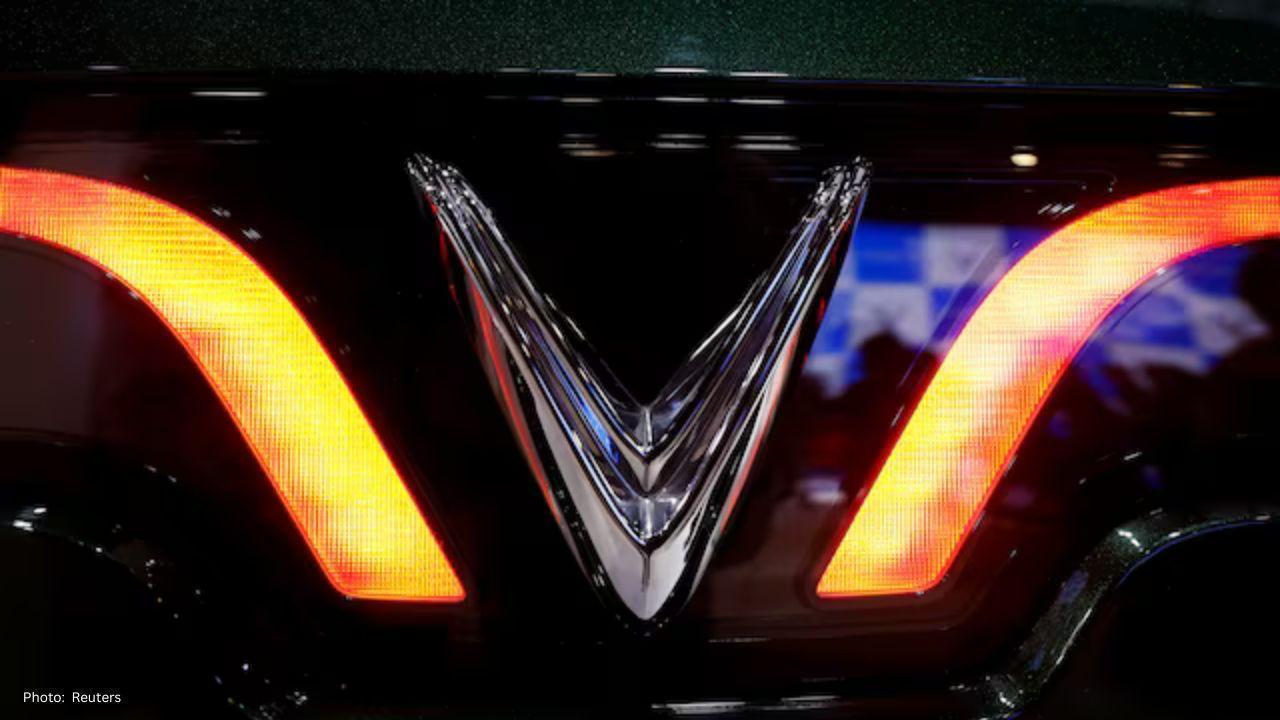
Vietnamese electric carmaker VinFast is exploring a major change in its vehicle technology. According to several sources and recent job postings, the company is studying the idea of adding small petrol engines to some of its electric cars. These engines would not drive the car but would recharge the battery to help the vehicle travel longer distances. This marks a possible shift from VinFast’s current fully electric lineup.
VinFast, which is listed on the Nasdaq, has been struggling with rising losses as it tries to expand into international markets. Its parent company, Vingroup, is feeling the financial pressure and is pushing the brand to improve sales and performance overseas. Adding petrol-powered range extenders may be one way to solve these challenges.
Three people familiar with the plan said the company has started looking into range-extended electric vehicles, also known as REEVs. In these vehicles, a small internal combustion engine turns on only when the battery is low, working as a generator to recharge it. One source said a special team began studying how to convert the VF9 SUV into a REEV model in November. Another source said hybrid models were also being considered. All three sources agreed the ideas are still at an early stage.
VinFast even posted job openings on LinkedIn in November looking for experts in REEV technology. This suggests the company is serious about exploring this direction, even if the final decision has not yet been made.
When asked about the new plans, Vingroup said the company never ignores opportunities to create new products that meet customer needs. VinFast currently sells around a dozen models, most of them small city-friendly cars. Between January and September, it sold about 104,000 vehicles in Vietnam, making up nearly all its global sales. The VF9, one of its most expensive models, sells in low numbers both at home and abroad.
Introducing REEVs would be a partial return to petrol technology. VinFast stopped making petrol cars in 2022 when it announced a full shift to electric vehicles. The company also signed the COP26 declaration, promising to sell only zero-emission cars in top markets by 2035 and worldwide by 2040. While REEVs still produce emissions, they generally pollute less than regular hybrids.
It is not yet clear whether VinFast plans to develop this technology on its own or buy it from another company. VinFast currently holds about 80 patents, far below Tesla and other major global automakers, showing it may need help to speed up new innovations.
Other carmakers, especially in China, have already found success with REEV designs. Brands like Li Auto and Leapmotor use similar systems, giving drivers the comfort of longer ranges without the fear of running out of battery power. Traditional car companies are also developing their own versions.
VinFast insists that its overall strategy remains focused on electric mobility. However, adding range extenders could help the company attract more customers, especially in countries where charging networks are still weak. This option could give drivers more confidence and help VinFast compete in crowded markets like the United States, Canada, and Europe.
As demand for electric vehicles grows, the ability to offer more flexibility may become important for long-term success. If VinFast goes ahead with this plan, it could open new doors for the company and help it stabilize its global position.
#trending #latest #VinFast #ElectricVehicles #REEV #AutoIndustry #VietnamEV #EVRange #armustnews



Advances in Aerospace Technology and Commercial Aviation Recovery
Insights into breakthrough aerospace technologies and commercial aviation’s recovery amid 2025 chall

Defense Modernization and Strategic Spending Trends
Explore key trends in global defense modernization and strategic military spending shaping 2025 secu

Tens of Thousands Protest in Serbia on Anniversary of Deadly Roof Collapse
Tens of thousands in Novi Sad mark a year since a deadly station roof collapse that killed 16, prote

Canada PM Carney Apologizes to Trump Over Controversial Reagan Anti-Tariff Ad
Canadian PM Mark Carney apologized to President Trump over an Ontario anti-tariff ad quoting Reagan,

The ad that stirred a hornets nest, and made Canadian PM Carney say sorry to Trump
Canadian PM Mark Carney apologizes to US President Trump after a tariff-related ad causes diplomatic

Bengaluru-Mumbai Superfast Train Approved After 30-Year Wait
Railways approves new superfast train connecting Bengaluru and Mumbai, ending a 30-year demand, easi




