Post by : Avinab Raana
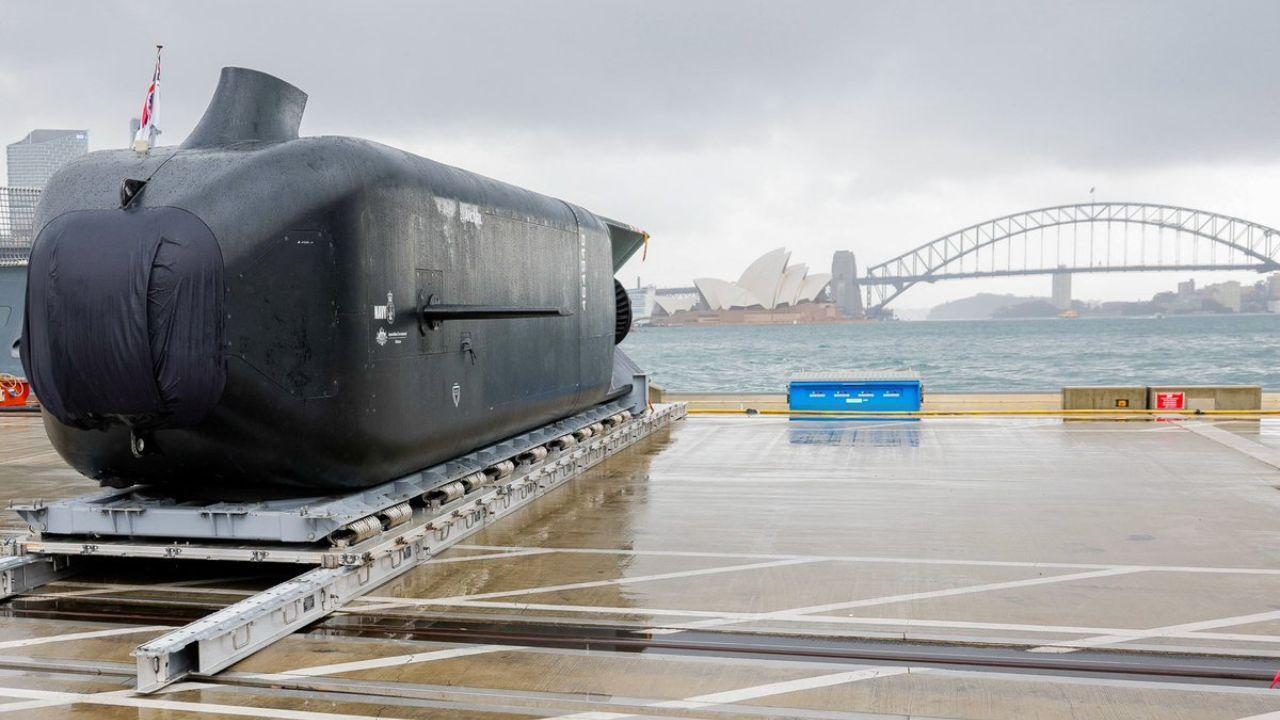
Photo : X / Pat Conroy MP
A Silent Sentinel Rises Beneath the Waves
Australia is quietly changing the game in naval defense with a groundbreaking move to deploy autonomous undersea drones—the stealthy "Ghost Shark" fleet developed in partnership with Anduril Australia. This plan isn’t about flashy warships but about forging a new frontier of defense, where AI and robotics dominate beneath the surface, transforming how Australia monitors and secures its vast maritime borders.
What Ghost Shark Brings to Australia’s Defense
The Ghost Sharks are not ordinary submarines. Built by Anduril with strong backing from the Defence Science and Technology Group, these extra-large autonomous underwater vehicles serve dual missions: surveillance and long-range strike capacity. Capable of silently patrolling hundreds of kilometers offshore, they empower Australia’s navy with new levels of stealth and strategic reach.
An Investment Rooted in Urgency and Tech Innovation
Defence Minister Richard Marles noted that the A$1.7 billion (~US$1.1 billion) five-year deal reflects Australia’s determination to strengthen naval capabilities fast. The full contract covers delivery, maintenance, and ongoing development, setting the first Ghost Sharks to enter service in early 2026. This rapid deployment signals a shift from traditional, crewed defense assets toward cutting-edge autonomy.
Manufacturing at Home, Upscaling Sovereign Capability
Australia plans to build the Ghost Shark fleet domestically, employing local talent and leveraging its growing robotics industry. Defence Industry Minister Pat Conroy emphasized the opportunity to export this tech to allies, positioning the country not just as an operator but as a center of advanced maritime innovation. Anduril’s production facility in New South Wales is already moving ahead, primed for full-scale construction.
Complement, Don’t Replace: Blending Old and New
Although the country is also entering a decades-long plan for nuclear-powered submarines under AUKUS, the Ghost Sharks reinforce Australia’s current defense posture. Rather than replace crewed vessels, they amplify the navy’s ability to monitor borders and project power with minimal risk to personnel.
Vast Waters and Sparse Population
Australia’s geography—surrounded by millions of square kilometers of ocean and limited population hubs—creates unique defense challenges. Autonomous drones like Ghost Sharks offer an elegant solution: persistent surveillance without the cost and manpower needed for traditional patrols, making them ideal for a country defending a broad coastline.
Strategic Value in Regional Tensions
As tensions rise in the Indo-Pacific and neighboring naval powers expand capabilities, Ghost Sharks provide a discreet but potent shield. Their ability to emerge from the ocean quietly and strike or surveil makes them a formidable deterrent, especially at a time when surface tensions are growing and conventional submarines remain years away.
Robotics, AI, and the New Undersea Frontier
Ghost Shark taps into AI-driven autonomy, precise navigation, and real-time data processing, enabling operations without surface contact for extended periods. In essence, these are digital twins that think and act independently underwater. It’s a major leap in maritime robotics and a powerful example of merging advanced materials, machine learning, and real-world defense needs.
Workforce and Industrial Impacts
This project isn’t just about hardware—it builds Australia’s defense talent. Engineers, roboticists, data scientists, and manufacturing specialists will find roles in both development and deployment of the Ghost Sharks. This is a long-term investment in innovation leadership and local high-tech capability.
What Lies Ahead for Ghost Shark
Over the coming years, Australia will fine-tune Ghost Shark technology—from navigation autonomy to underwater endurance. Real-world mission exercises, advanced stealth tuning, and integration with surface fleet operations will define the program’s success. Should this prove effective, the Ghost Shark concept may spark a new market in unmanned autonomous maritime systems.
Broader Industry Ripples and Ethical Questions
Ghost Shark is more than a national defense effort—it marks a shift toward robotic warfighting. Ethical debates over autonomous weaponry, accountability, and AI decision-making are rising alongside this tech. As Australia charts this new path, global observers will assess how it balances autonomy with human oversight in naval operations.
A Global Step in Defense Robotics
With Ghost Shark, Australia joins a growing circle of nations embracing autonomous undersea systems. It’s a signal to allies and rivals alike: the future of defense lies not in traditional might but in artificial intelligence, robotics, and silent, persistent presence.
A Horizon Beyond the Horizon
As these robotic guardians begin patrolling undersea currents, Australia is also navigating partnerships, strategic treaties, and tech norms. Ghost Shark isn’t just a defense investment—it’s a statement that the future belongs to those who innovate beneath the waves, where silence is power and autonomy is sovereignty.
Ghost Shark, Australia undersea drones, Autonomous maritime defense



Advances in Aerospace Technology and Commercial Aviation Recovery
Insights into breakthrough aerospace technologies and commercial aviation’s recovery amid 2025 chall

Defense Modernization and Strategic Spending Trends
Explore key trends in global defense modernization and strategic military spending shaping 2025 secu

Tens of Thousands Protest in Serbia on Anniversary of Deadly Roof Collapse
Tens of thousands in Novi Sad mark a year since a deadly station roof collapse that killed 16, prote

Canada PM Carney Apologizes to Trump Over Controversial Reagan Anti-Tariff Ad
Canadian PM Mark Carney apologized to President Trump over an Ontario anti-tariff ad quoting Reagan,

The ad that stirred a hornets nest, and made Canadian PM Carney say sorry to Trump
Canadian PM Mark Carney apologizes to US President Trump after a tariff-related ad causes diplomatic

Bengaluru-Mumbai Superfast Train Approved After 30-Year Wait
Railways approves new superfast train connecting Bengaluru and Mumbai, ending a 30-year demand, easi




