Post by : Avinab Raana
Photo : X / Reuters Asia
Bold Strategy Over Big Acquisitions
BHP has quietly declared that the company will not pursue a takeover of the emerging A$53 billion Anglo-Teck merger, opting instead to double down on organic growth through direct investments in copper projects. The decision comes amid leadership changes and a series of failed acquisition attempts, reorienting BHP’s strategy toward controlled, sustainable expansion.
A Major Merger BHP Won’t Disrupt
The newly announced merger between Anglo American and Teck Resources is one of the largest in mining history. Yet, despite the potential appeal of consolidating global copper assets, BHP appears unmoved. Investors and analysts interpret this move as BHP’s acceptance of a changing growth landscape—one where thoughtful, internal development may yield more value than aggressive consolidation.
Moving On From Past Attempts
BHP’s shift is striking, given its earlier pursuit of major acquisitions. Just last year, it made three unsolicited offers totaling nearly $49 billion for Anglo American, all of which were rejected. BHP’s new strategy signals not just retreat from hostile bids but also a recognition of the inefficiencies and risks associated with such deals.
Investing Where Value Lies
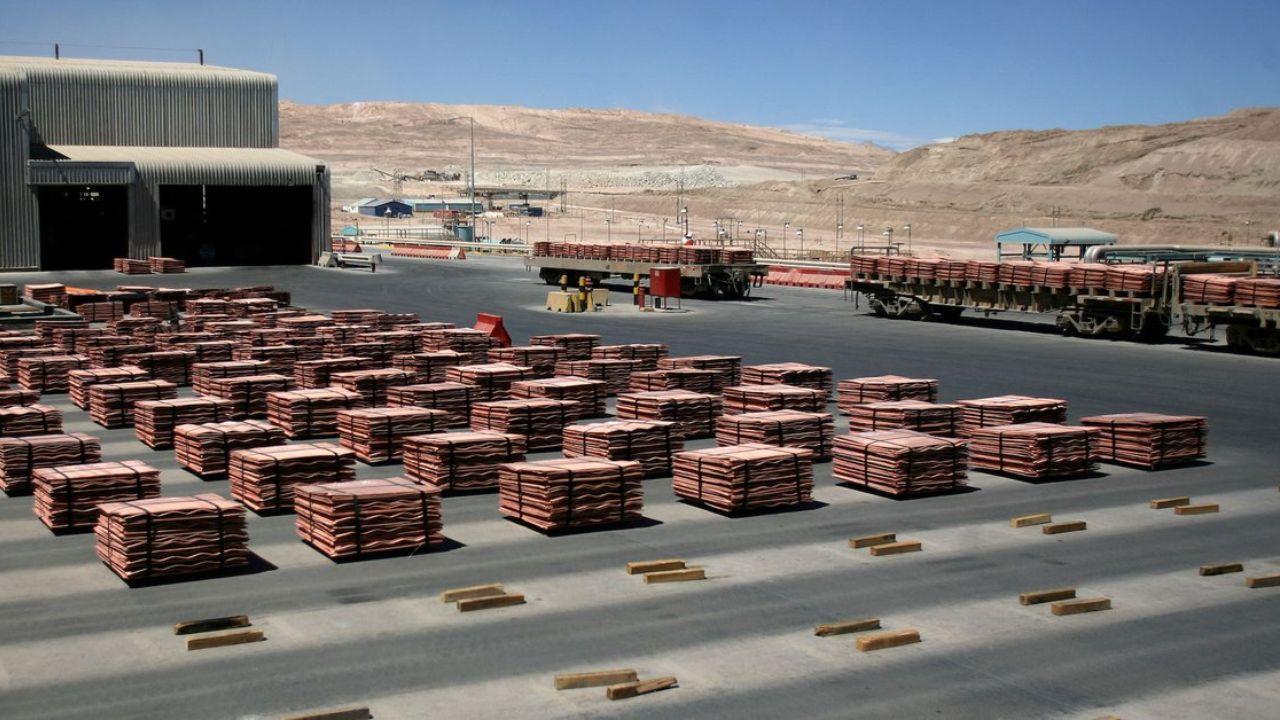
Rather than chasing megadeals, BHP has injected $2 billion into Argentina’s Lundin copper projects, including the Josemaria mine. Simultaneously, it is optimizing production at Escondida in Chile, showing a clear preference for assets it can manage and scale directly—a path many analysts believe offers better control and return on investment.
Leadership Transition Paves the Way
BHP is navigating these changes amid significant leadership shifts. New Chair Ross McEwan has taken the helm and CEO Mike Henry is preparing for the end of his term. Together, they seem poised to guide the company toward stability and incremental growth, rather than volatile expansion through large-scale mergers.
Market Conditions Favor Organic Plans
Some bankers warn that BHP could reconsider if the Anglo-Teck deal falters. But for now, current conditions—regulatory complexity, commodity price movements, and diluted merger economics—are aligning in favor of BHP’s more cautious path. Fundamentally, this reflects a strategic commitment to disciplined growth amid an uncertain global mining environment.
Why Focus on Copper
Copper remains critical to the energy transition—from EVs to renewable infrastructure. BHP’s investments at Josemaria and Escondida reinforce its position in this market. With global copper demand surging and long-term supply under pressure, BHP’s organic approach may offer more flexibility to seize emerging opportunities.
Analysts See Long-Term Value
Experts note that BHP’s shift toward internal growth is smart business: avoiding acquisition premiums and ensuring project alignment with corporate values and skills. This disciplined approach can yield greater shareholder value over time, particularly compared to large-scale M&A, which often fails to deliver synergies.
A Tactic Built for Stability
For BHP, opting for organic growth offers stability amid change. Leadership transitions are smoother, projects are predictable, and capital allocation is controlled. This path keeps the company agile and less vulnerable to the shocks and setbacks that plague high-stakes deals.
Comparing Paths: M&A vs. Organic Growth
Historically, mining titans have pursued acquisitions to scale quickly. Yet such deals are often costly, complex, and slow to integrate. In contrast, organic growth—especially in copper, with clear demand trends—allows BHP to harness its operational expertise, minimize risk, and build projects at its own pace.
Governance and Shareholder Signals
BHP’s board appears to be sending a signal: investors want clarity, consistency, and predictable returns—not headlines. By rejecting mega-mergers and focusing on homegrown expansion, BHP is reinforcing its capitalist credence in disciplined value creation.
Benefits for Existing Operations
Doubling down on Escondida, for example, means optimizing proven assets with known risks. This not only boosts output but also solidifies infrastructure and knowledge. Similarly, Lundin's Josemaria offers near-term expansion in a region where BHP already has strong presence and supply chains.
Geopolitical Stability and Portfolio Insight
Tapping into Argentina and Chile also diversifies BHP’s portfolio regionally, reducing risk from policy shifts or geopolitical instability in any one area. This flexibility may prove invaluable as global supply chains increasingly reflect geopolitical sensitivities.
What Comes Next?
The next chapters for BHP include advancing Lundin projects, increasing copper yield at Escondida, and monitoring the Anglo-Teck merger closely. BHP’s direction signals a company building for the future on its own terms, not as an opportunistic bidder seeking shortcuts.
A Power Play Without the Buy
BHP’s move away from chasing mega-mergers like Anglo-Teck doesn’t reflect indecision—it reflects intentional strategy. By choosing organic growth, BHP continues to stake its claim in copper markets while avoiding deal fatigue, integration risk, and high premiums.
In a time when consolidation is often heralded as the quickest route to power, BHP’s pivot toward internal growth is quietly powerful. Amid shifting leadership and volatile markets, the world’s largest miner is choosing to build, not buy—investing in assets, operational excellence, and a long-term path toward sustainability and shareholder value.
BHP organic growth, Anglo-Teck merger, Copper projects, BHP investment strategy, Lundin copper stake



Advances in Aerospace Technology and Commercial Aviation Recovery
Insights into breakthrough aerospace technologies and commercial aviation’s recovery amid 2025 chall

Defense Modernization and Strategic Spending Trends
Explore key trends in global defense modernization and strategic military spending shaping 2025 secu

Tens of Thousands Protest in Serbia on Anniversary of Deadly Roof Collapse
Tens of thousands in Novi Sad mark a year since a deadly station roof collapse that killed 16, prote

Canada PM Carney Apologizes to Trump Over Controversial Reagan Anti-Tariff Ad
Canadian PM Mark Carney apologized to President Trump over an Ontario anti-tariff ad quoting Reagan,

The ad that stirred a hornets nest, and made Canadian PM Carney say sorry to Trump
Canadian PM Mark Carney apologizes to US President Trump after a tariff-related ad causes diplomatic

Bengaluru-Mumbai Superfast Train Approved After 30-Year Wait
Railways approves new superfast train connecting Bengaluru and Mumbai, ending a 30-year demand, easi




