Post by : Avinab Raana
Photo : X / MARE_MarineExperts
Drew Marine has announced it has acquired all rights, intellectual property and technical documentation for the CD92 Mycronizer fuel treatment solution from German firm SIT (Schiffs & Industrietechnik GMBH). This acquisition marks a significant investment in marine propulsion and energy efficiency. Drew Marine is known globally for its maritime solutions ranging from fuel stability to engineered systems. With environmental rules tightening across the marine sector, this move positions Drew Marine firmly at the center of innovation in fuel treatment.
The CD92 Mycronizer is designed to address multiple challenges that ships face when using heavy marine fuels. First it improves combustion by breaking down clumps of hydrocarbons known as asphaltenes so that fuel droplets become more uniform and smaller. That leads to cleaner burns, less soot and lower fuel consumption. Second the technology helps reduce sludge that purifiers reject as waste and ensures fuel remains homogenous across storage and treatment tanks. These capabilities help ship operators achieve regulatory compliance, reduce maintenance costs and extend engine life.
Marine engines running on lower quality or poorly treated fuel suffer more wear and tear. Small particulates, sludge and uneven fuel composition increase friction, cause deposits in injector nozzles and exhaust systems and lead to higher maintenance intervals. By boosting combustion efficiency the Mycronizer helps lower soot emissions and reduce particulate pollution. For many marine operators this means meeting stricter environmental regulations under IMO, stricter limits on sulfur oxide and particulate matter and avoiding penalties or port state control detentions.
Drew Marine already offers a wide suite of fuel treatment solutions including fuel mills, combustion improvers, chemical additives, cold flow optimization, water separation and microbial control. The CD92 Mycronizer adds a mechanical or physical pre-treatment component that complements chemical treatments. Drew Marine plans to integrate the Mycronizer line into its Engineered Systems and New Build offerings. For new vessels and retrofits the technology can be installed in settling tank recirculation or prior to fuel purifiers to enhance overall fuel quality.
Shipowners and operators face high fuel costs. Even small improvements in fuel efficiency can translate into millions of dollars saved over a vessel’s lifetime. The Mycronizer aims to reduce specific fuel consumption thanks to more uniform fuel droplet size and cleaner burns. Reduced sludge means less fuel wasted, less frequent purifier maintenance, lower disposal costs. Uniform fuel in storage tanks helps avoid compatibility issues between different fuel batches. All this adds up to lower operating costs and more predictable maintenance schedules.
Marine shipping is under pressure from regulators and ports to reduce emissions and adhere to fuel quality standards. The IMO has set more stringent limits on sulphur content, particulate matter and other emissions. Ship operators must ensure their fuels burn cleaner and are stable. Technologies like the Mycronizer can help meet these standards. Reduced soot and particulate emissions also help improve air quality in coastal and port cities. For many operators, staying ahead of regulations avoids fines, operational restrictions and reputational risk.
Drew Marine acquired full rights, intellectual property and technical documentation from SIT. Under the agreement SIT’s managing director has confidence that Drew Marine will scale the technology globally. Drew Marine will supply the CD92 Mycronizer globally through its technical service network. CEO Scot R. Benson stated that the Mycronizer offers immediate value to shipowners seeking efficiency gains and long-term reliability. For SIT this deal provides opportunity to bring the technology into a wider market with Drew Marine’s global reach.
The Mycronizer can be deployed in several places on a ship. When placed upstream of the engine inlet it handles combustion improvement. When used ahead of the purifier or in storage tank recirculation it helps reduce sludge and improve fuel homogeneity. Drew Marine aims to include the Mycronizer in new ship builds and retrofits. Shipyards building fuel treatment systems, engine room designers, fuel procurement departments and operations teams will need to plan how to integrate the hardware, place sensors, configure flow rates and coordinate with chemical treatments.
Fuel treatment is a holistic problem. Fuel quality varies, storage tanks mix batches, additives are used, purifiers are in place. The Mycronizer adds a tool in this toolkit. When combined with chemical fuel stability treatments, cold flow additives, microbial inhibitors, onboard testing and proper storage practices the benefits multiply. Drew Marine’s offering now covers both hardware and chemical solutions, along with test monitoring support. This integrated approach helps operators optimize overall fuel usage, meet compliance and minimize waste.
Rolling out new treatment hardware involves challenges. Engine and purifier systems vary widely. Flow rates, fuel viscosity, space constraints, power supply, maintenance access and training all matter. Ensuring that the Mycronizer does not introduce unexpected pressure drops in fuel lines or interfere with purifier performance is important. Engineers will need to validate compatibility across fuel types including residual fuels, blends and distillates. Also cost of hardware, retrofit downtime and return on investment will be key metrics owner-operators will evaluate closely.
With this acquisition Drew Marine strengthens its position in an increasingly competitive field of marine fuel treatment and propulsion efficiency. Competitors offering only chemical treatments or only purifier systems may find themselves at a disadvantage. Shipowners are likely to favor suppliers that offer combined solutions: hardware + chemicals + monitoring. The Mycronizer line could become a differentiator for Drew Marine in bids for new builds, maintenance contracts and fuel management services.
Many ships still operate with legacy fuel systems. Retrofitting hardware adds complexity and cost. Some shipowners have not yet felt regulatory pressure or cost pain from fuel inefficiencies. Others may hesitate to invest without proven case studies. Data showing fuel savings, emission reductions, maintenance savings will help accelerate adoption. Training, remote service support, documentation and monitoring will also play big roles. Drew Marine has committed to support globally via its service network which helps remove some barriers.
Fuel regulation is not static. New rules on emissions, particulate matter, carbon intensity, greenhouse gases may emerge. Shipowners are likely to face demands for carbon pricing, fuel lifecycle emissions, reporting. Technologies that improve combustion, reduce waste and optimize fuel handling help not just current compliance but future readiness. The Mycronizer could help vessels perform better under evolving standards, including those related to carbon intensity or fuel quality.
Initial investment will involve purchase of Mycronizer units, installation, possibly some adjustment to existing systems. But over time savings in fuel burn, lower maintenance, fewer purifier rejects, less downtime, longer engine service intervals, reduced emissions fines, and better regulatory compliance may deliver strong returns. Operators with high fuel consumption vessels or those using heavier residual fuels stand to gain most. For fleet operators retrofit costs may be amortized over many ships.
While Drew Marine has not published publicly yet widespread case study data, the technology’s prior performance under SIT is likely tested in smaller environments. As it is rolled out in new builds and retrofits, operators will likely begin reporting quantitative data: fuel consumption reductions, sludge generation drop, maintenance intervals extended, emissions metrics. Projects in harsh operating environments where fuel quality is variable or fuel supply reliability is lower may especially benefit. Ships operating in remote areas, or those on long voyages can recoup more value from fuel homogenization.
Drew Marine already operates globally in many ports, servicing multiple vessel classes. The acquisition means that support, maintenance, spare parts, technical and operational training will be extended for the Mycronizer product line. New builds globally will be offered Mycronizer as part of fuel treatment packages. Drew Marine’s network means that operators outside traditional markets may access this previously German-dominated technology. This global reach offers economies of scale, lower spare part logistics cost and faster uptake.
This purchase aligns with broader maritime trends. Shipping is under global pressure to decarbonize, reduce emissions and boost operational efficiency. Fuel cost volatility remains a major expense. Technologies that reduce fuel use, emissions and waste are increasingly attractive both for cost and regulatory compliance. Drew Marine’s acquisition of the Mycronizer demonstrates that environmental strategy and business strategy go hand in hand. For vessel owners committed to ESG goals this technology is a tool to meet targets while saving money.
Ship designers and builders should see how easily the Mycronizer hardware integrates in new vessel designs. Engine manufacturers may evaluate whether they recommend its use, especially in sensitive engine systems. Classification societies and regulators will care about ensuring compatibility with emissions and fuel quality rules. Operators will watch actual performance in different fuel qualities and operating profiles. Fuel suppliers and bunkering operations may also get involved to ensure fuel batches delivered are compatible.
Drew Marine’s purchase of the CD92 Mycronizer from SIT marks a strong strategic move in the race to improve marine engine performance and efficiency. It is a clear signal that fuel treatment hardware is becoming as vital as chemical additives. The Mycronizer offers benefits in fuel burn, sludge reduction, emissions control and engine reliability.
If shipowners adopt this technology widely, it could help lower operational costs, reduce environmental impact and move the industry closer to cleaner combustion. The acquisition sets a high bar. Success will depend on delivering on promises, proving ROI, integrating smoothly and supporting operators through service and training.
This deal could become a case study in how investing in smarter fuel treatment pays off both economically and environmentally. For an industry facing mounting pressure to become cleaner and more efficient, it might turn out to be a very timely, very important step forward.
Fuel treatment, Marine efficiency, Engine performance







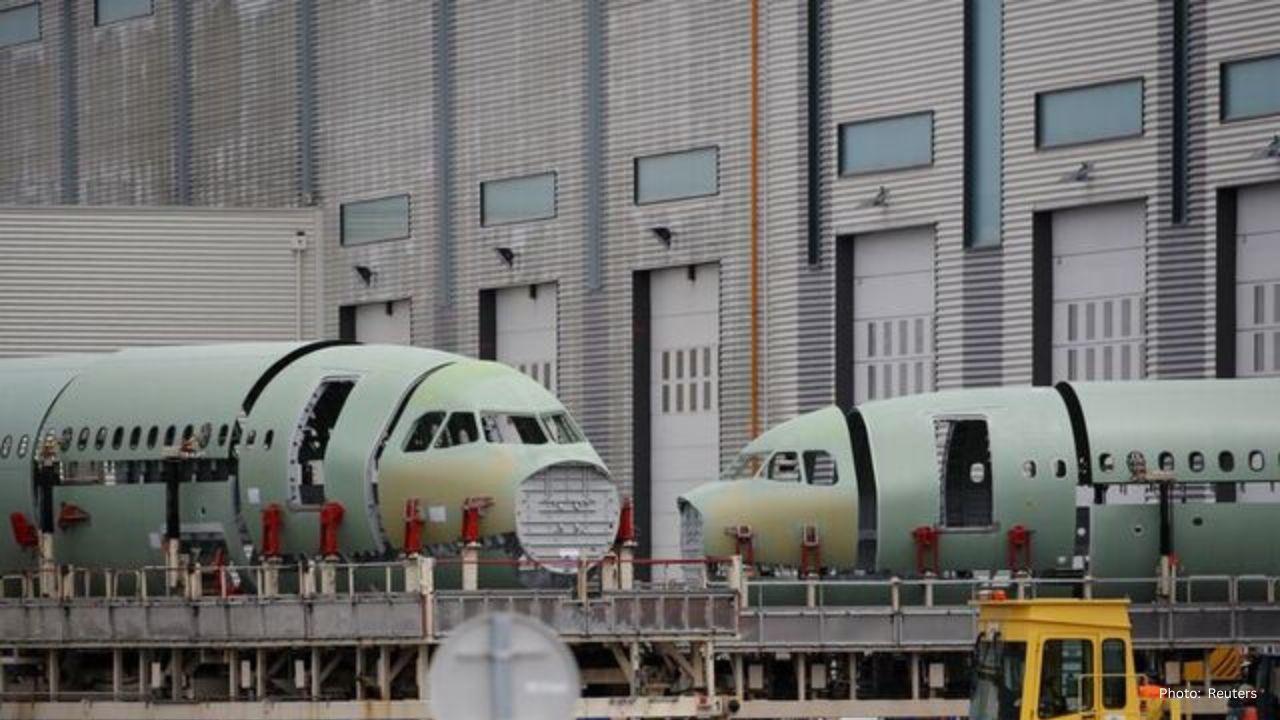

Advances in Aerospace Technology and Commercial Aviation Recovery
Insights into breakthrough aerospace technologies and commercial aviation’s recovery amid 2025 chall
Defense Modernization and Strategic Spending Trends
Explore key trends in global defense modernization and strategic military spending shaping 2025 secu

Tens of Thousands Protest in Serbia on Anniversary of Deadly Roof Collapse
Tens of thousands in Novi Sad mark a year since a deadly station roof collapse that killed 16, prote

Canada PM Carney Apologizes to Trump Over Controversial Reagan Anti-Tariff Ad
Canadian PM Mark Carney apologized to President Trump over an Ontario anti-tariff ad quoting Reagan,

The ad that stirred a hornets nest, and made Canadian PM Carney say sorry to Trump
Canadian PM Mark Carney apologizes to US President Trump after a tariff-related ad causes diplomatic

Bengaluru-Mumbai Superfast Train Approved After 30-Year Wait
Railways approves new superfast train connecting Bengaluru and Mumbai, ending a 30-year demand, easi