Post by : Saif
India’s planned capital expenditure of ₹12.2 lakh crore for the financial year 2026–27 shows a clear focus on building long-term national strength. The biggest share of this spending is expected to go into shipbuilding, road networks, and railways. This approach signals that infrastructure will remain the backbone of the country’s growth strategy.
Capital expenditure, often called capex, means money spent on creating physical assets such as highways, ports, trains, factories, and logistics systems. Unlike daily government expenses like salaries and subsidies, capex builds things that last for many years. Good infrastructure supports business, improves daily life, and helps the economy grow faster.
The strong push toward transport and logistics is not accidental. India is trying to lower travel time, reduce cargo costs, improve exports, and connect remote areas to economic centers. When roads, rail lines, and ports work smoothly, goods move faster and cheaper. That helps farmers, factories, traders, and consumers alike.
Road construction continues to be one of the largest parts of public spending. Highways and expressways connect cities, towns, and industrial zones. Better roads reduce fuel use, cut delivery time, and lower accident risk when designed well. They also open new areas for business and tourism. In many regions, a new highway can change the local economy within a few years by bringing in investment and jobs.
Railways are the second major pillar of the capex plan. Indian Railways is one of the largest rail networks in the world and carries both passengers and freight every day. Investment is expected to go into track upgrades, faster trains, dedicated freight corridors, station modernization, and safety systems. Modern rail systems can carry heavy cargo at lower cost than trucks and with less pollution. For a large country like India, rail is essential for balanced growth.
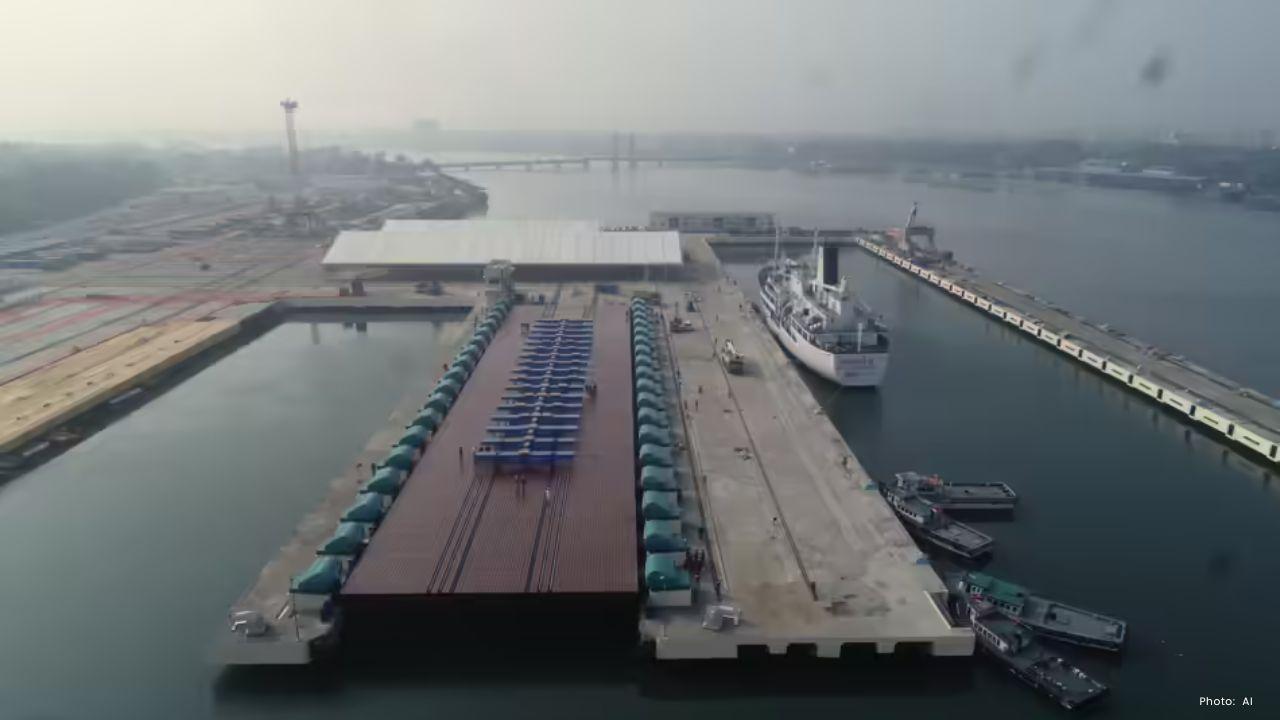
Shipbuilding is an especially important addition to the top spending priorities. For many years, India relied heavily on foreign-built vessels for cargo, defense, and specialized transport. By investing more in domestic shipyards, the country aims to build more ships at home. This supports manufacturing, creates skilled jobs, and reduces dependence on imports. A stronger shipbuilding sector also supports naval strength and maritime trade.
Ports and shipping are closely linked to exports and imports. As India increases manufacturing and global trade, demand for modern ships and port facilities will rise. Building ships locally keeps more value inside the country and develops technical expertise. Over time, India could also become an exporter of certain classes of vessels.
There is also a multiplier effect in infrastructure spending. When the government builds a railway line or highway, many other sectors benefit. Steel, cement, engineering, electrical equipment, software, and services all see higher demand. Workers are hired directly at project sites and indirectly across supply chains. This creates income that flows back into the economy through spending and taxes.
However, large capex plans also bring challenges. The first is execution. Announcing big numbers is easy, but completing projects on time and within budget is harder. Delays due to land acquisition, environmental clearance, or contract disputes can slow progress and raise costs. Strong project management and transparent monitoring are necessary to ensure results on the ground.
The second challenge is quality. Infrastructure should not just be built fast — it should be built well. Poor construction leads to repairs, safety risks, and waste of public money. Roads that break early or rail systems that lack safety features create long-term problems. Quality control and maintenance planning must be part of every project from day one.
The third issue is balanced development. While major corridors and ports are important, smaller towns and rural areas also need reliable roads and rail links. Capex planning should ensure that growth is not limited only to already developed regions. Inclusive infrastructure spreads opportunity more evenly.
Funding such a large capex program also requires careful financial planning. Governments must balance borrowing, tax revenue, and spending priorities. If money is used wisely for productive assets, future economic growth can help repay today’s investment. But wasteful or poorly chosen projects can create debt without benefit.
There is also a strategic angle. Strong transport and shipbuilding capacity supports national security. Fast troop movement, secure supply lines, and domestic ship production all matter in times of crisis. Infrastructure is not only an economic tool — it is also a strategic asset.
If executed properly, the ₹12.2 lakh crore capex push could improve productivity, create jobs, and raise India’s global competitiveness. Businesses prefer to invest where logistics are reliable and transport is efficient. Good infrastructure attracts both domestic and foreign investors.
In simple terms, this spending plan is about building the physical foundation for future growth. Roads connect markets, railways carry the load, and ships link the country to the world. The success of the plan will depend not just on how much is spent, but how wisely and how well the projects are delivered.
#trending #latest #IndiaInfrastructure #Capex #Shipbuilding #IndianRailways #Highways #EconomicGrowth #PublicInvestment #Logistics #armustnews



Advances in Aerospace Technology and Commercial Aviation Recovery
Insights into breakthrough aerospace technologies and commercial aviation’s recovery amid 2025 chall

Defense Modernization and Strategic Spending Trends
Explore key trends in global defense modernization and strategic military spending shaping 2025 secu

Tens of Thousands Protest in Serbia on Anniversary of Deadly Roof Collapse
Tens of thousands in Novi Sad mark a year since a deadly station roof collapse that killed 16, prote

Canada PM Carney Apologizes to Trump Over Controversial Reagan Anti-Tariff Ad
Canadian PM Mark Carney apologized to President Trump over an Ontario anti-tariff ad quoting Reagan,

The ad that stirred a hornets nest, and made Canadian PM Carney say sorry to Trump
Canadian PM Mark Carney apologizes to US President Trump after a tariff-related ad causes diplomatic

Bengaluru-Mumbai Superfast Train Approved After 30-Year Wait
Railways approves new superfast train connecting Bengaluru and Mumbai, ending a 30-year demand, easi




