Post by : Saif
Australia has announced a strict policy on the return of citizens linked to ISIL who are currently held in detention camps in Syria. Prime Minister Anthony Albanese confirmed that the government will not assist Australian relatives of ISIL fighters who are still living in these camps. The decision has created strong debate around national security, human rights, and the future of affected children.
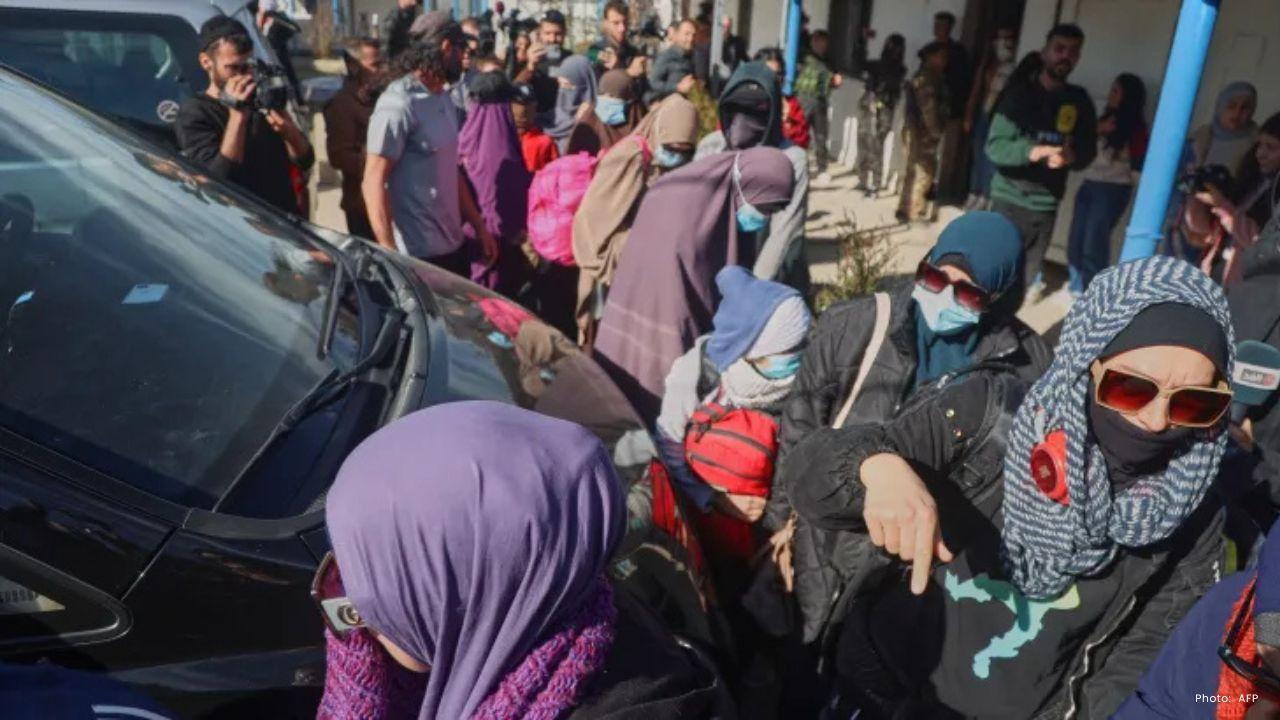
The issue came into focus after reports that a group of Australian women and children connected to former ISIL members were unable to leave a Syrian camp. Questions were raised about whether the Australian government would step in to help bring them back. The prime minister answered clearly that there would be no special government action to support their return.
The government says its top priority is national security. Officials believe that people who traveled to conflict zones and linked themselves with extremist groups made a serious and dangerous choice. According to this view, helping them return could create security risks inside Australia and put extra pressure on law enforcement and intelligence agencies.
Detention camps in northeastern Syria still hold thousands of foreign nationals connected to ISIL. These include wives, relatives, and children of former fighters. Conditions in many camps are poor, with limited health care, schooling, and safety. Local authorities have repeatedly said they do not want to keep foreign detainees forever and have asked home countries to take responsibility for their citizens.
The Australian government has repatriated small groups in the past under strict security controls. Those returns involved background checks, monitoring, and legal processes after arrival. However, this new statement shows a tougher approach and signals that further repatriations are unlikely in the near future.
Supporters of the decision say a hard line is necessary to discourage extremism. They argue that if governments easily bring back ISIL-linked families, it could send the wrong message and weaken counter-terror efforts. They also point out that investigating and monitoring returnees takes years of resources and constant supervision.
Critics say the policy ignores the situation of children stuck in the camps. Many of them were taken there by parents or were born during the conflict. Human rights groups stress that children did not choose extremism and should not suffer lifelong consequences for adult actions. They argue that bringing children back under state protection is both safer and more humane.
Legal experts also note that citizenship normally comes with a duty of protection. They say governments should handle such cases through courts and legal systems at home instead of leaving citizens in unstable foreign camps. Trying suspects under national law, they argue, is more transparent and fair.
Security analysts are divided. Some believe refusing repatriation reduces immediate domestic risk. Others warn that long-term detention camps can become breeding grounds for further radicalization, which may create bigger threats later. From this angle, controlled return and rehabilitation may be safer than abandonment.
The debate over ISIL-linked detainees is not limited to Australia. Many Western countries face the same challenge. Each must balance border security, legal responsibility, and humanitarian concern. There is no easy solution, and every option carries risk.
Australia’s latest stance makes its position clear: national security comes first, and voluntary travel to extremist areas brings lasting consequences. Still, the question of what should happen to the children left behind remains open and deeply sensitive.
As global conflicts fade from headlines, their human aftermath continues. Governments will keep facing hard choices about justice, safety, and compassion — and the world will keep watching how those choices are made.
#trending #latest #AustraliaSecurityPolicy #AnthonyAlbanese #ISILFamilies #SyriaDetentionCamps #RepatriationPolicy #CounterExtremism #ImmigrationSecurity #HumanRightsDebate #armustnews



Advances in Aerospace Technology and Commercial Aviation Recovery
Insights into breakthrough aerospace technologies and commercial aviation’s recovery amid 2025 chall

Defense Modernization and Strategic Spending Trends
Explore key trends in global defense modernization and strategic military spending shaping 2025 secu

Tens of Thousands Protest in Serbia on Anniversary of Deadly Roof Collapse
Tens of thousands in Novi Sad mark a year since a deadly station roof collapse that killed 16, prote

Canada PM Carney Apologizes to Trump Over Controversial Reagan Anti-Tariff Ad
Canadian PM Mark Carney apologized to President Trump over an Ontario anti-tariff ad quoting Reagan,

The ad that stirred a hornets nest, and made Canadian PM Carney say sorry to Trump
Canadian PM Mark Carney apologizes to US President Trump after a tariff-related ad causes diplomatic

Bengaluru-Mumbai Superfast Train Approved After 30-Year Wait
Railways approves new superfast train connecting Bengaluru and Mumbai, ending a 30-year demand, easi




