Post by : Saif
Germany’s economy is expected to grow slightly faster in 2026 than earlier predicted, but business leaders say the overall picture is still weak and worrying. A new forecast says growth may reach about 1 percent next year, yet experts warn this is not enough to call it a real recovery.
The outlook comes from the German Chamber of Industry and Commerce, one of the country’s largest business groups. It represents thousands of companies across sectors and regions. The group raised its earlier growth forecast of 0.7 percent to 1 percent, but at the same time stressed that the economy remains stuck and needs strong reforms.
Germany is known as Europe’s largest economy and a major export power. When its growth slows, the effects are felt across the continent. That is why even a small change in forecast gets close attention from markets, policymakers, and companies.
According to the chamber’s latest survey, many businesses still face serious pressure. Firms report that orders are weak, costs are high, and future policies are unclear. These factors are holding back expansion and hiring.
The chamber’s managing director said the expected growth rate is still too low compared with other competing economies. She warned that without faster and deeper reforms, Germany could fall further behind in global competition.
One key measure in the report is the business climate index. This index is based on responses from about 26,000 companies. It rose slightly to 95.9 points, which shows a small improvement in mood. However, it is still far below the long-term average of around 110 points. That gap suggests companies remain cautious and unsure about the future.
Many business owners say demand inside Germany is not strong enough. Nearly six out of ten firms in the survey pointed to weak domestic demand as a top risk. When people and companies spend less, production slows and growth becomes harder.
Costs are another major problem. A similar share of companies said rising labor costs are hurting them. Higher wages can help workers, but they also increase expenses for employers. Energy and raw material prices were also listed as big concerns. Germany’s industry sector depends heavily on stable and affordable energy, and recent price swings have created planning problems.
Policy uncertainty is also adding to business stress. More than half of the firms surveyed said unclear or changing economic policies make it harder to invest. When rules are not predictable, companies often delay big decisions like building new factories or buying new equipment.
Investment plans in the survey show this caution clearly. Only about 23 percent of firms said they plan to increase investment. In contrast, 31 percent said they expect to cut back. That imbalance is a warning sign because investment is a key driver of future growth and productivity.
Business leaders are calling on the government to move faster on reforms. They want less bureaucracy, quicker approvals, and lower operating costs. They also ask for steps to reduce energy costs and make hiring more flexible. Without such changes, they say, the economy will continue to move forward with what they describe as “the handbrake on.”
Part of the expected 2026 growth is also linked to what economists call statistical and calendar effects. This means the numbers may look better partly because of how working days and measurement periods fall in the year, not because of strong real activity. That makes the improvement look less solid.
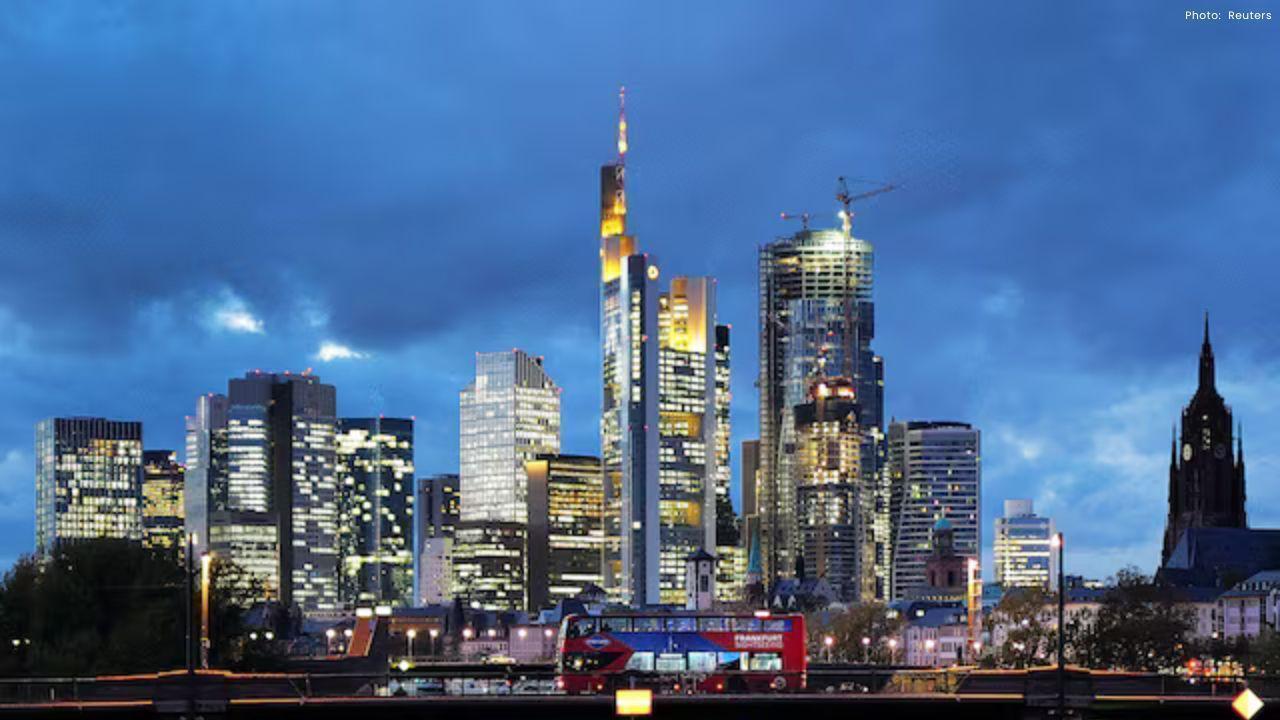
Cities like Frankfurt, known as financial and business hubs, are often seen as symbols of Germany’s economic strength. But even in these centers, companies are feeling the slowdown through weaker demand and tighter budgets.
The message from the business community is clear: a small rise in the growth forecast is welcome, but it does not solve the deeper problems. Without structural reforms and stronger demand, Germany’s economy may continue to struggle to gain real speed.
#trending #latest #GermanEconomy #GermanyGrowth #BusinessOutlook #EuropeanEconomy #IndustrySurvey #EconomicReforms #GlobalMarkets #armustnews



Advances in Aerospace Technology and Commercial Aviation Recovery
Insights into breakthrough aerospace technologies and commercial aviation’s recovery amid 2025 chall

Defense Modernization and Strategic Spending Trends
Explore key trends in global defense modernization and strategic military spending shaping 2025 secu

Tens of Thousands Protest in Serbia on Anniversary of Deadly Roof Collapse
Tens of thousands in Novi Sad mark a year since a deadly station roof collapse that killed 16, prote

Canada PM Carney Apologizes to Trump Over Controversial Reagan Anti-Tariff Ad
Canadian PM Mark Carney apologized to President Trump over an Ontario anti-tariff ad quoting Reagan,

The ad that stirred a hornets nest, and made Canadian PM Carney say sorry to Trump
Canadian PM Mark Carney apologizes to US President Trump after a tariff-related ad causes diplomatic

Bengaluru-Mumbai Superfast Train Approved After 30-Year Wait
Railways approves new superfast train connecting Bengaluru and Mumbai, ending a 30-year demand, easi




