Post by : Saif
Tensions between Russia and Western countries have risen again after a senior Kremlin official warned that Moscow may use its navy to protect Russian ships if foreign powers continue seizing or blocking them. The warning highlights growing conflict over sanctions, shipping routes, and control of trade at sea.
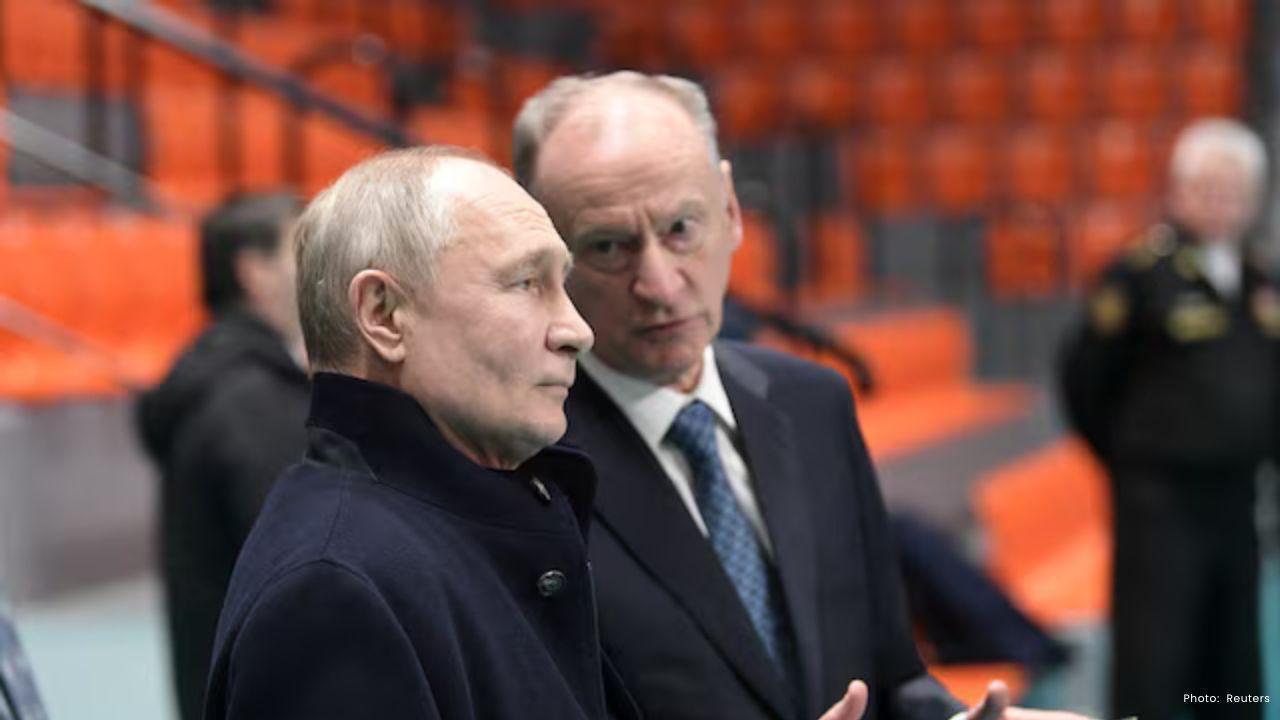
A top aide to Russian President Vladimir Putin, security official Nikolai Patrushev, said Russia could deploy naval forces to stop what he described as unlawful actions against Russian vessels. He also warned that if Russian ships are taken or blocked, Russia could respond with counter-measures that affect European shipping.
The comments came after recent moves by Western governments to tighten sanctions enforcement linked to oil transport and energy trade. In one recent case, a Russian-flagged oil tanker was seized as part of a sanctions enforcement action connected to Venezuelan oil exports. Moscow strongly criticized that step and described such seizures as illegal and politically motivated.
According to Patrushev, Russia believes some Western countries are going beyond normal sanctions policy and moving toward direct interference with maritime movement. He said that if these actions continue, they could threaten Russia’s ability to use major sea routes for trade and energy exports. He pointed to European powers and Baltic region states as the main actors applying pressure at sea.
He argued that strong naval presence is the main guarantee of safe navigation for Russian vessels. For that reason, he said Russia plans to keep powerful naval units deployed not only near its own shores but also in distant maritime zones where its ships operate. He added that Russia is pushing forward with long-term naval modernization and shipbuilding plans through the coming decades.
The dispute is closely tied to wider sanctions placed on Russia over the Ukraine war. Western countries have tried to limit Russia’s oil and gas revenues by tracking shipments and restricting access to services such as insurance, ports, and financing. Part of this effort includes identifying ships believed to be helping move sanctioned cargo through complex ownership networks. Western officials often refer to this network as a “shadow fleet,” a term Russian officials reject.
From Moscow’s point of view, these measures are not just economic tools but acts of pressure that cross into security territory. Russian officials argue that stopping ships on the open sea or threatening blockades breaks international norms. They say such steps increase the risk of confrontation and miscalculation between naval forces.
Security experts note that maritime standoffs are especially dangerous because they happen far from public view and can escalate quickly. A boarding attempt, a warning shot, or a close naval maneuver can rapidly turn into a crisis. Even if both sides want to avoid war, tension and mistrust can lead to accidents.
The warning also shows how global disputes are no longer limited to land borders. Trade routes, ports, and shipping lanes have become key pressure points in modern geopolitical conflict. Energy transport in particular remains a sensitive area because many countries depend on stable oil and gas flows.
So far, Western governments say their actions are legal enforcement of sanctions rules and maritime regulations. Russia says they are hostile acts dressed up as law enforcement. The gap between these positions remains wide, which makes compromise difficult.
Diplomats say the safest path forward is clearer communication and agreed rules at sea. Without that, every ship seizure or interception risks becoming a larger political and military dispute. The latest warning from Moscow suggests that the maritime front of global tensions may become more active in the months ahead.
#trending #latest #RussiaWestTensions #RussianNavy #MaritimeDispute #SanctionsConflict #GlobalShipping #NavalSecurity #Geopolitics #armustnews



Advances in Aerospace Technology and Commercial Aviation Recovery
Insights into breakthrough aerospace technologies and commercial aviation’s recovery amid 2025 chall

Defense Modernization and Strategic Spending Trends
Explore key trends in global defense modernization and strategic military spending shaping 2025 secu

Tens of Thousands Protest in Serbia on Anniversary of Deadly Roof Collapse
Tens of thousands in Novi Sad mark a year since a deadly station roof collapse that killed 16, prote

Canada PM Carney Apologizes to Trump Over Controversial Reagan Anti-Tariff Ad
Canadian PM Mark Carney apologized to President Trump over an Ontario anti-tariff ad quoting Reagan,

The ad that stirred a hornets nest, and made Canadian PM Carney say sorry to Trump
Canadian PM Mark Carney apologizes to US President Trump after a tariff-related ad causes diplomatic

Bengaluru-Mumbai Superfast Train Approved After 30-Year Wait
Railways approves new superfast train connecting Bengaluru and Mumbai, ending a 30-year demand, easi




