Post by : Saif
The British government has decided to move forward with local council elections scheduled for May, dropping an earlier plan to delay them. The change came after legal advice warned that the postponement could be struck down in court. The reversal has added new political pressure on Prime Minister Keir Starmer and his administration, which has already faced criticism for several recent policy changes.
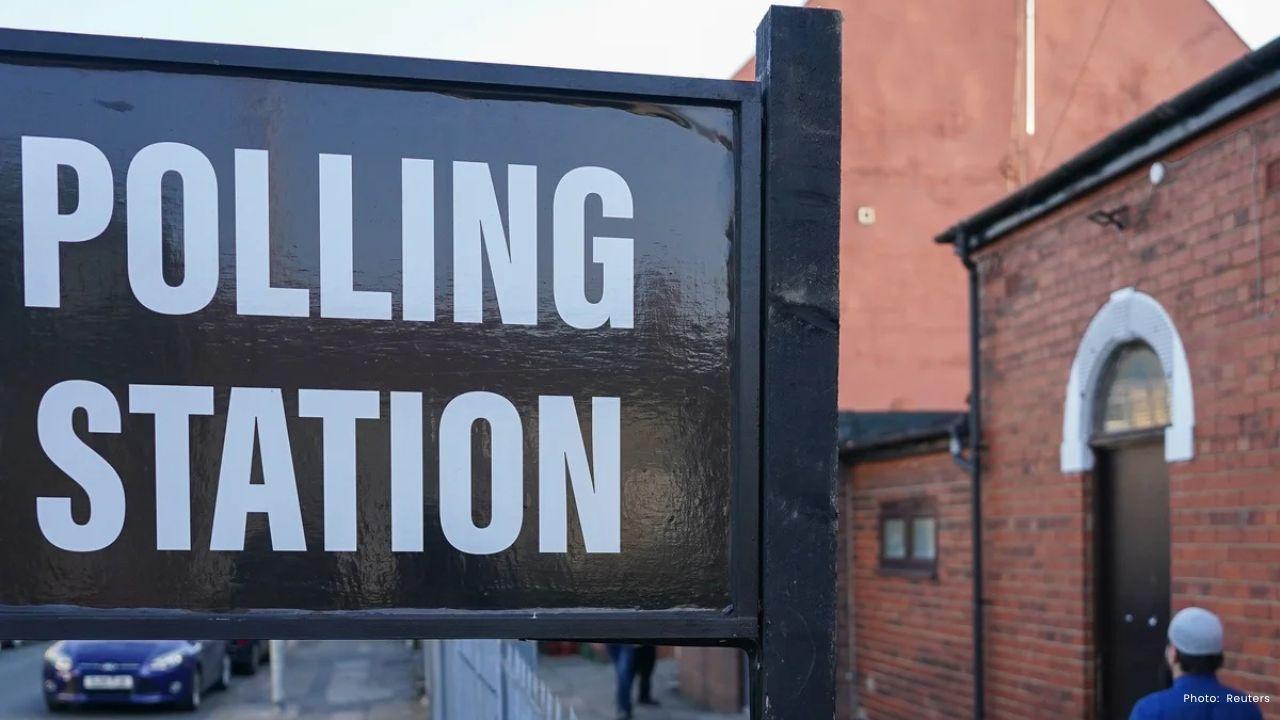
The decision means that around 30 council elections will now take place as originally planned. These elections are important because local councils manage daily public services such as housing support, social care, road maintenance, and waste collection. For many citizens, these votes directly affect their everyday lives.
The government had earlier allowed some councils to delay their elections due to a planned reorganization of local government structures. Officials said the delays were meant to help manage administrative changes. However, opposition groups argued that the move looked political and was designed to reduce expected losses for the ruling Labour Party.
The legal challenge was brought by Reform UK, a rising populist party that has been gaining support in national and local polls. After reviewing the case, government lawyers advised that the postponement could fail in court. Rather than fight a legal battle and risk defeat, ministers chose to cancel the delay plan.
Local government minister Steve Reed confirmed that all affected elections will now go ahead in May. This last-minute change has raised questions about planning and judgment inside the government. Critics say major election decisions should be settled early and clearly, not changed under legal pressure.
Reform UK leader Nigel Farage welcomed the move and described it as a win for voters. He argued that election timing should not be adjusted for political convenience. His party claimed the proposed postponements were an abuse of power and unfair to the public.
The main opposition group, the Conservative Party, also attacked the government over the reversal. Party leader Kemi Badenoch said the episode showed weak decision-making and poor management. According to her, frequent policy reversals create uncertainty and reduce public trust.
This is not the first time the current government has changed course on a major issue. In recent months, several budget and policy decisions have been adjusted after public pushback, court rulings, or political resistance. Each reversal on its own may be manageable, but taken together they create a picture of a government struggling to hold a steady line.
From a democratic point of view, keeping the election schedule unchanged supports voter rights. Elections are a core part of public accountability. Delaying them should only happen in extreme situations, such as natural disasters or serious security threats. Administrative convenience alone is usually not seen as enough reason.
At the same time, the situation also shows how legal oversight works in a democracy. Courts and legal challenges act as a check on executive power. When governments consider actions that may stretch their authority, the legal system can force a second look. In this case, the warning of a likely court defeat changed the final outcome.
The May council elections are now expected to become a major political test. Current polling suggests the Labour government could face losses, while smaller and protest-focused parties may gain ground. That could reshape local power across many parts of the country and influence national political debate.
For voters, the key message is simple: the elections are back on schedule. Ballots will be cast, councils will be chosen, and public services will be guided by those results. For the government, however, the episode leaves a harder lesson about planning, transparency, and the cost of last-minute changes in sensitive matters like elections.
#trending #latest #UKPolitics #LocalElections #CouncilVotes #KeirStarmer #LabourParty #ReformUK #NigelFarage #Conservatives #Democracy #armustnews



Advances in Aerospace Technology and Commercial Aviation Recovery
Insights into breakthrough aerospace technologies and commercial aviation’s recovery amid 2025 chall

Defense Modernization and Strategic Spending Trends
Explore key trends in global defense modernization and strategic military spending shaping 2025 secu

Tens of Thousands Protest in Serbia on Anniversary of Deadly Roof Collapse
Tens of thousands in Novi Sad mark a year since a deadly station roof collapse that killed 16, prote

Canada PM Carney Apologizes to Trump Over Controversial Reagan Anti-Tariff Ad
Canadian PM Mark Carney apologized to President Trump over an Ontario anti-tariff ad quoting Reagan,

The ad that stirred a hornets nest, and made Canadian PM Carney say sorry to Trump
Canadian PM Mark Carney apologizes to US President Trump after a tariff-related ad causes diplomatic

Bengaluru-Mumbai Superfast Train Approved After 30-Year Wait
Railways approves new superfast train connecting Bengaluru and Mumbai, ending a 30-year demand, easi




