Post by : Saif
China sold more goods to the world than ever in 2025, yet behind the strong export numbers lies a difficult and stressful reality for many Chinese salespeople. As orders from the United States dropped sharply due to high tariffs, exporters were forced to search for buyers in new regions. While this shift helped China maintain record export volumes, it has placed heavy pressure on the people working on the front lines of global trade.
For many years, the United States was one of China’s most important and profitable export markets. Business relationships were stable, orders were large, and deals were often completed quickly. That situation changed after U.S. President Donald Trump raised tariffs to very high levels in 2025. As a result, Chinese shipments to the U.S. fell by about 20 percent, forcing companies to look elsewhere.
Saleswoman Aimee Chen, who has worked in export sales for nearly 20 years, said 2025 was the hardest year of her career. Her company, which sells pet products, saw U.S. orders drop by nearly one-third. To survive, the firm began targeting new markets such as South America. While this matched China’s official push to diversify exports, the reality on the ground was far from easy.
According to several salespeople interviewed, new markets often bring smaller orders and lower profits. Customers in Africa, Latin America, and parts of Southeast Asia tend to negotiate heavily on price and place limited orders. This means sales staff must handle more clients to earn the same income they once made from a few large U.S. buyers. Lower profits have also led to reduced commissions, cutting take-home pay for many workers.
Government data supports these concerns. Profits at China’s industrial firms fell sharply in late 2025, showing that strong export volumes do not always translate into healthy earnings. Experts say this has pushed companies to demand more from their sales teams, even as rewards decline.
Many salespeople describe longer working hours and constant pressure. Unlike factory workers, whose shifts end at a set time, export sales staff often work across time zones. Messages from foreign clients can arrive at any hour, and quick replies are expected. One salesperson summed it up simply by saying that as long as they are awake, they must respond.
Younger workers are also feeling the strain. A 24-year-old saleswoman selling electric bicycle batteries earns little more than factory workers, despite being online almost all day. In one case, she spent months chatting with a potential buyer, only to receive a single small order that earned her less than two dollars in commission. Such experiences leave workers feeling frustrated and undervalued.
Travel demands have also increased. Some salespeople now travel several times a month and spend hours cold-calling potential clients in crowded and competitive markets. To win deals, companies often cut prices, sometimes undercutting other Chinese firms. This intense competition brings in revenue but further reduces profits.
Social media posts from export workers show growing complaints about job stress, emotional pressure, and difficult client behavior. Some workers say the constant bargaining, uncertainty, and lack of respect can affect their mental health.
Economists warn that these struggles may signal deeper problems. China’s export success in 2025 relied heavily on selling large volumes of cheap goods to new markets. While this kept factories running, it increased pressure on workers and reduced company profits. Experts argue that China cannot rely on exports alone and must strengthen domestic consumption to create more balanced growth.
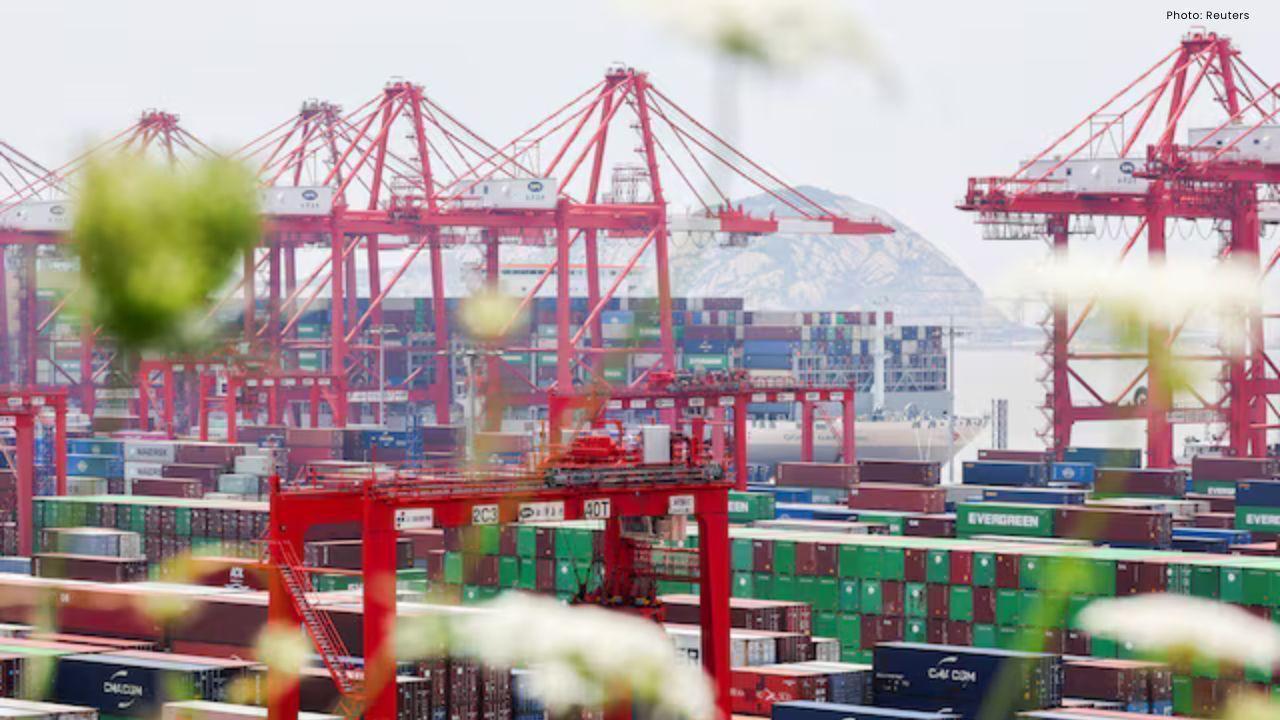
The experiences of Chinese salespeople show that record trade numbers do not tell the whole story. Behind the containers leaving ports are workers facing longer hours, lower pay, and rising stress. If these pressures continue, China’s export-driven strategy may become harder to sustain in the years ahead.
#trending #latest #ChinaExports #GlobalTrade #USChinaTrade #ExportEconomy #SalesPressure #WorldEconomy #BusinessNews #TradeChallenges



Advances in Aerospace Technology and Commercial Aviation Recovery
Insights into breakthrough aerospace technologies and commercial aviation’s recovery amid 2025 chall

Defense Modernization and Strategic Spending Trends
Explore key trends in global defense modernization and strategic military spending shaping 2025 secu

Tens of Thousands Protest in Serbia on Anniversary of Deadly Roof Collapse
Tens of thousands in Novi Sad mark a year since a deadly station roof collapse that killed 16, prote

Canada PM Carney Apologizes to Trump Over Controversial Reagan Anti-Tariff Ad
Canadian PM Mark Carney apologized to President Trump over an Ontario anti-tariff ad quoting Reagan,

The ad that stirred a hornets nest, and made Canadian PM Carney say sorry to Trump
Canadian PM Mark Carney apologizes to US President Trump after a tariff-related ad causes diplomatic

Bengaluru-Mumbai Superfast Train Approved After 30-Year Wait
Railways approves new superfast train connecting Bengaluru and Mumbai, ending a 30-year demand, easi




