Post by : Sameer Saifi
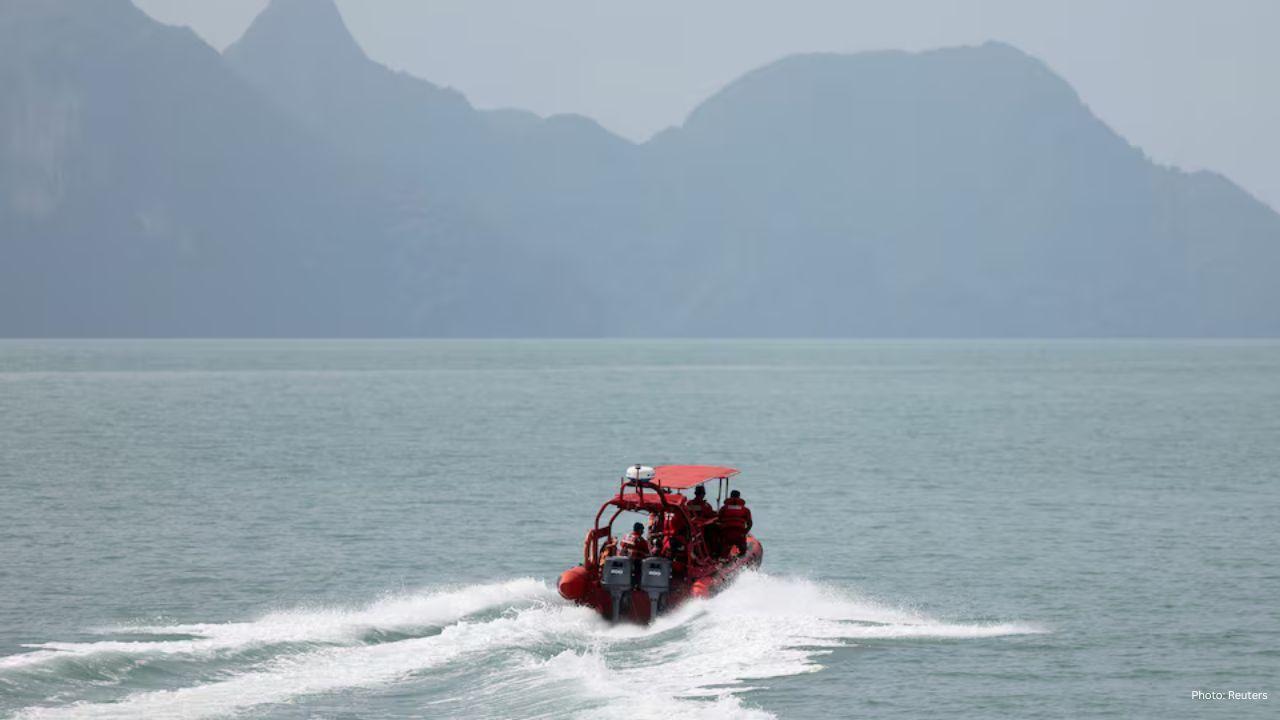
A tragic incident took place near the sea border of Thailand and Malaysia, where a boat carrying Rohingya migrants capsized. Authorities confirmed that 11 people have died in the accident, and many others are still missing. The boat is believed to have been carrying around 70 people when it sank. So far, 13 survivors have been rescued, and most of them are from the Rohingya community.
The Rohingya are a Muslim minority group from Myanmar. For many years, they have faced severe violence, discrimination, and restrictions in their home region of Rakhine. Many had already escaped to refugee camps in Bangladesh, where life is still very hard due to overcrowding, lack of jobs, and limited access to education and healthcare. Because of this, many Rohingya try to travel by sea in search of safety and a better life in other countries such as Malaysia and Indonesia. However, the sea journey is extremely dangerous, and many families risk their lives on small and unsafe boats.
In this latest incident, the boat is believed to have left Myanmar about two weeks ago. Reports say that some passengers were transferred from one boat to another just a few days before the accident. The waters between Thailand and Malaysia can be unpredictable, and overcrowded boats can easily overturn. When the boat sank, many people were thrown into the sea. The survivors who were rescued looked weak and tired, as they had struggled in the water for hours.
Malaysia’s maritime agency said that search operations are still going on. Boats and rescue teams are working along with air support from both Thailand and Malaysia. Officials explained that they have a strong communication network across the border, which helps them share information quickly while searching for survivors. The search is expected to continue for several days, but rescuers say time is running out, as chances of survival decrease with each passing hour.
Thai authorities also confirmed that they recovered four bodies, including two children. Malaysia found seven more, bringing the total number of confirmed deaths to 11. Many of those missing are believed to be women and children. Family members who survived are deeply distressed, not knowing whether their loved ones have drowned or may still be waiting to be rescued.
This tragedy is part of a larger crisis. According to the United Nations Refugee Agency, more than 5,100 Rohingya have attempted sea journeys from Myanmar and Bangladesh since January this year alone. Nearly 600 people have been reported dead or missing while traveling across the ocean. Many Rohingya are forced to rely on smugglers who promise safe travel but often abandon them in dangerous conditions.
Life remains very difficult for the Rohingya, both inside Myanmar and inside refugee camps in Bangladesh. Myanmar’s Rakhine region has seen years of conflict and hunger. Many Rohingya villages were destroyed years ago, and people were forced to flee. Nearly 1.3 million Rohingya now live in crowded refugee camps in Bangladesh, where they have limited freedom and few opportunities for work. Many young people grow up without schooling and without hope for their future.
The Rohingya continue to make these dangerous sea journeys because they see no other choice. They are searching for a place where they can live in peace, work, and raise their children without fear. However, the lack of legal travel routes leaves them vulnerable to boat accidents, human trafficking, and abuse by smugglers.
Human rights groups have called on countries in the region to improve support for Rohingya refugees, create safer migration pathways, and work together to prevent such tragedies. They also urge governments to push for a lasting solution in Myanmar, so that Rohingya people can live safely in their homeland with full rights and equality.
For now, rescue teams continue their search at sea. Families wait anxiously near the coast, hoping for news. Many of those who survived are grieving, exhausted, and unsure of what will happen next. Their future remains unclear, but they carry with them hope that one day they will find safety and a place to belong.
This tragedy is a reminder of the dangers faced by vulnerable communities who are left with no safe home, no rights, and no security. The loss of lives in the sea between Malaysia and Thailand shows how urgent it is for governments, humanitarian groups, and the international community to act with compassion, responsibility, and care. The Rohingya people have suffered for many years, and without real support, more lives may be lost in the sea they cross in search of hope.
#trending #latest #Rohingya #Malaysia #Thailand #RefugeeCrisis #Migration #SeaRescue #HumanRights #ArmustNews



Advances in Aerospace Technology and Commercial Aviation Recovery
Insights into breakthrough aerospace technologies and commercial aviation’s recovery amid 2025 chall

Defense Modernization and Strategic Spending Trends
Explore key trends in global defense modernization and strategic military spending shaping 2025 secu

Tens of Thousands Protest in Serbia on Anniversary of Deadly Roof Collapse
Tens of thousands in Novi Sad mark a year since a deadly station roof collapse that killed 16, prote

Canada PM Carney Apologizes to Trump Over Controversial Reagan Anti-Tariff Ad
Canadian PM Mark Carney apologized to President Trump over an Ontario anti-tariff ad quoting Reagan,

The ad that stirred a hornets nest, and made Canadian PM Carney say sorry to Trump
Canadian PM Mark Carney apologizes to US President Trump after a tariff-related ad causes diplomatic

Bengaluru-Mumbai Superfast Train Approved After 30-Year Wait
Railways approves new superfast train connecting Bengaluru and Mumbai, ending a 30-year demand, easi




