Post by : Saif
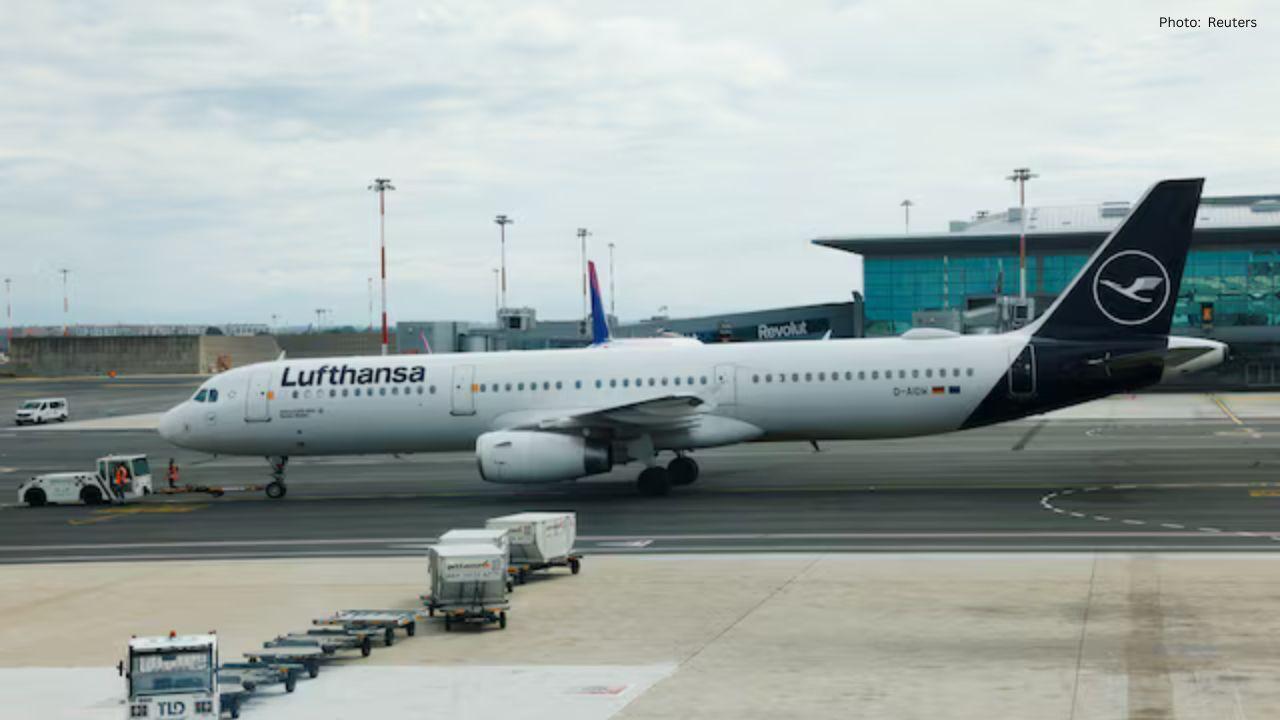
Germany’s largest airline group, Lufthansa, is once again promising change after a difficult and uneven journey. While the company says it will begin delivering real results from its turnaround plan in 2026, many investors remain doubtful as the airline continues to trail behind its European rivals.
Lufthansa has been led by Chief Executive Carsten Spohr since 2014. During his time in charge, the company’s shares have fallen by about one-third. Although there was a short period of strong performance in 2017, the airline was badly hit by the COVID-19 pandemic and has struggled to fully recover since then.
For long-term investors, the picture has been disappointing. Anyone who invested in Lufthansa when Spohr first took over would still be sitting on losses today, even after counting dividends. This has made Lufthansa one of the weaker performers among Europe’s major airlines.
In recent months, Lufthansa shares have shown some improvement, rising about 26% over the past six months. However, this growth still falls short when compared with rivals. British Airways owner IAG and Air France-KLM have both posted much stronger gains over the same period. This gap highlights how far Lufthansa still has to go.
A major concern for investors is Lufthansa’s high costs and ongoing labour problems. These issues have put pressure on profits. The company’s operating margin dropped sharply last year and remains lower than those of its closest competitors. Analysts expect only a small improvement in the coming year, which does little to boost confidence.
To address these problems, Spohr has outlined a series of changes. Lufthansa plans to cut around 4,000 administrative jobs over five years and retire older aircraft to reduce costs. The airline is aiming to reach an operating margin of between 8% and 10% by the end of the decade. Some investors see these steps as a move in the right direction, but many are waiting to see real results.
Another challenge is Lufthansa’s complex structure. The group operates multiple airline brands and runs six major hubs across Europe. This includes its recent investment in Italy’s ITA Airways, as well as its budget carrier Eurowings. Managing so many operations adds cost and makes decision-making slower.
External pressures are also growing. Demand for transatlantic travel has softened, which hurts one of Lufthansa’s most important markets. At the same time, delays in aircraft deliveries and difficult talks with labour unions could disrupt its recovery plans.
Lufthansa’s leadership insists that the worst is behind them and that the company is finally on the right path. Still, after years of missed targets and slower growth than its rivals, investors are taking a cautious approach.
The coming years will be crucial. If Lufthansa can control costs, simplify its operations, and navigate global challenges, it may finally begin to close the gap. Until then, the airline remains in catch-up mode, watching competitors fly ahead.
#trending #latest #Lufthansa #AirlineIndustry #EuropeanAirlines #AviationNews #BusinessNews #TravelSector



Advances in Aerospace Technology and Commercial Aviation Recovery
Insights into breakthrough aerospace technologies and commercial aviation’s recovery amid 2025 chall

Defense Modernization and Strategic Spending Trends
Explore key trends in global defense modernization and strategic military spending shaping 2025 secu

Tens of Thousands Protest in Serbia on Anniversary of Deadly Roof Collapse
Tens of thousands in Novi Sad mark a year since a deadly station roof collapse that killed 16, prote

Canada PM Carney Apologizes to Trump Over Controversial Reagan Anti-Tariff Ad
Canadian PM Mark Carney apologized to President Trump over an Ontario anti-tariff ad quoting Reagan,

The ad that stirred a hornets nest, and made Canadian PM Carney say sorry to Trump
Canadian PM Mark Carney apologizes to US President Trump after a tariff-related ad causes diplomatic

Bengaluru-Mumbai Superfast Train Approved After 30-Year Wait
Railways approves new superfast train connecting Bengaluru and Mumbai, ending a 30-year demand, easi




