Post by : Saif
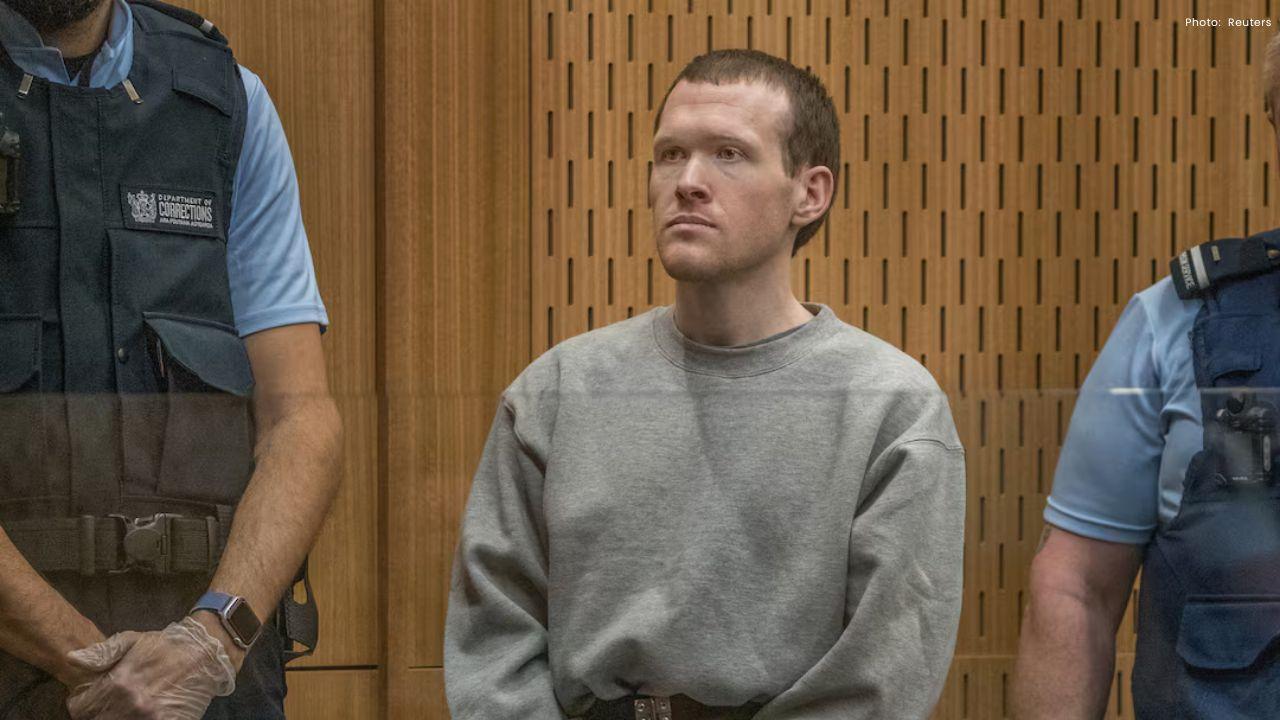
Fresh court testimony in New Zealand has brought new attention to the legal case of the man responsible for the Christchurch mosque attacks. Former lawyers for the convicted attacker told an appeal court that he showed signs of anxiety during his earlier legal process but did not appear to be depressed or mentally unfit to plead guilty.
The attacker, an Australian citizen, is serving life in prison without parole for killing 51 Muslim worshippers and injuring many others during the March 2019 mosque shootings in Christchurch. It remains the deadliest mass shooting in New Zealand’s history. The violence shocked the country and led to major changes in gun laws and online extremism monitoring.
Now, years later, the case has returned to court because the convicted man is trying to overturn his conviction and gain a new trial. He argues that harsh prison conditions at the time affected his mental health and influenced his decision to plead guilty in 2020.
During the appeal hearing, two of his former defense lawyers explained to the court how he behaved while they represented him. They said he often complained about strict prison treatment, including heavy restraints and special clothing used for inmates considered at risk of self-harm. However, they told the court that after the first month, he appeared to adjust to those conditions.
According to their testimony, mental health experts who assessed him at the time found that he was fit to enter a plea. The lawyers said these expert reports gave them confidence that he understood the charges and the legal process. They described him as anxious but not clinically depressed and mentally able to make legal decisions.
One of the lawyers also told the court that the accused wanted to be labeled a terrorist and was satisfied when terrorism charges were added to the case. This detail is important because it suggests he understood the nature and seriousness of the accusations against him.
The appeal court is now reviewing whether his guilty plea should stand. Appeal judges will look at medical reports, prison conditions, lawyer testimony, and legal standards for a valid plea. To overturn a conviction, the court must be convinced that something went seriously wrong in the earlier process.
This appeal raises a larger question that courts around the world often face: how should the justice system handle claims about mental health and prison conditions after a guilty plea? The law generally requires that a person must understand what they are admitting to and must make the decision freely. If a person is found mentally unfit, a plea can be challenged. But the legal bar for proving that is high.
The Christchurch attacks also continue to shape public discussion about hate crimes and extremist violence. New Zealand responded after the tragedy with fast gun law reforms and new safety policies. Many families of victims have said they want the legal process to remain firm and not reopen painful wounds without strong legal reason.
Courts must balance two duties at the same time. One is to protect the rights of every defendant, even in the most serious crimes. The other is to respect the suffering of victims and maintain trust in the justice system. Appeals are a normal part of law, but they are closely tested against evidence and expert opinion.
The appeal hearing is scheduled to last several days. At the end, judges will decide whether the original guilty plea and conviction remain valid or whether further legal steps are needed.
Whatever the result, the case is a reminder that justice systems must be careful, transparent, and fair — especially when dealing with crimes that deeply affect a nation.
#trending #latest #NewZealand #Christchurch #CourtAppeal #JusticeSystem #TerrorismCase #MentalHealthLaw #LegalNews #HumanRights #armustnews



Advances in Aerospace Technology and Commercial Aviation Recovery
Insights into breakthrough aerospace technologies and commercial aviation’s recovery amid 2025 chall

Defense Modernization and Strategic Spending Trends
Explore key trends in global defense modernization and strategic military spending shaping 2025 secu

Tens of Thousands Protest in Serbia on Anniversary of Deadly Roof Collapse
Tens of thousands in Novi Sad mark a year since a deadly station roof collapse that killed 16, prote

Canada PM Carney Apologizes to Trump Over Controversial Reagan Anti-Tariff Ad
Canadian PM Mark Carney apologized to President Trump over an Ontario anti-tariff ad quoting Reagan,

The ad that stirred a hornets nest, and made Canadian PM Carney say sorry to Trump
Canadian PM Mark Carney apologizes to US President Trump after a tariff-related ad causes diplomatic

Bengaluru-Mumbai Superfast Train Approved After 30-Year Wait
Railways approves new superfast train connecting Bengaluru and Mumbai, ending a 30-year demand, easi




