Post by : Saif
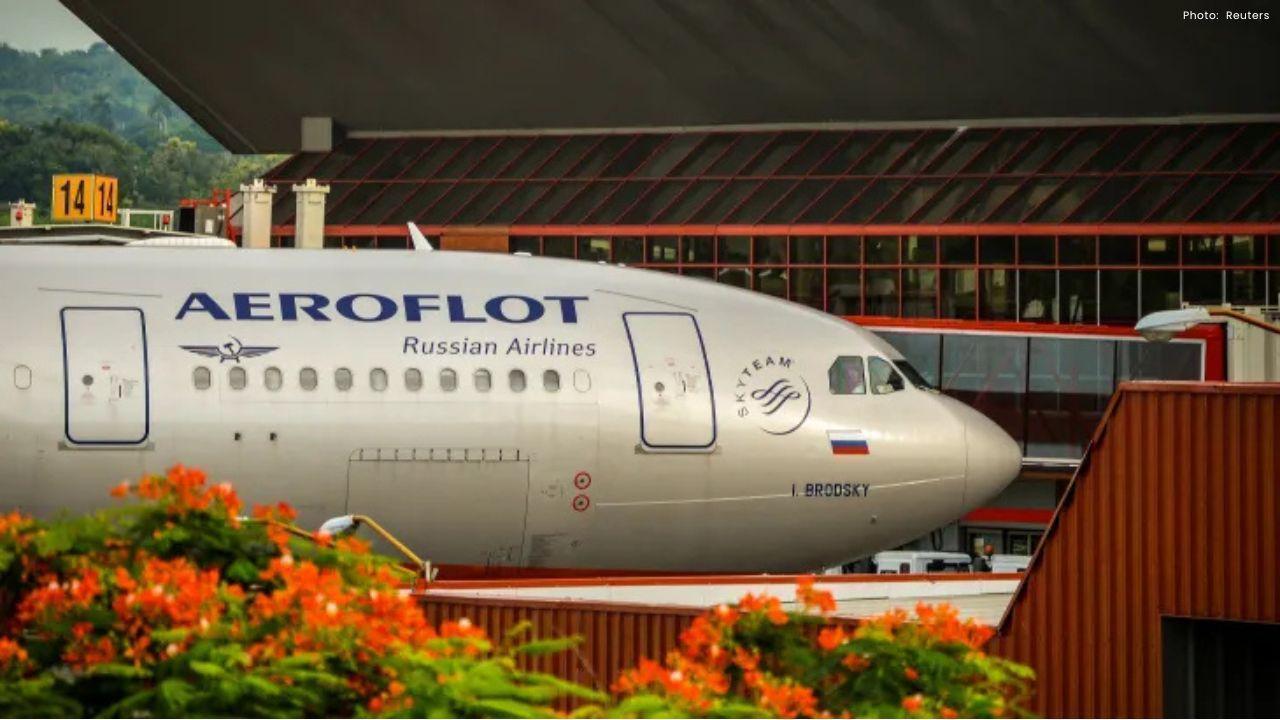
Russia has begun evacuating its tourists from Cuba after a severe fuel shortage created major problems for flights and daily life on the island. Airlines have reduced or stopped regular operations because jet fuel is not available in enough quantity. As a result, thousands of visitors are facing travel trouble, and emergency return flights are being arranged.
Russian aviation authorities said special flights are being organized only to bring citizens back home. These flights are operating from major Cuban tourist hubs such as Havana and Varadero. Regular tourist flights to Cuba have been paused for now because airlines cannot depend on fuel supply at airports.
Officials estimate that several thousand Russian tourists are currently in Cuba. The government has also advised Russian citizens to delay new travel plans to the country until the situation becomes stable. This kind of advisory is usually issued only when authorities believe conditions can affect safety or basic services.
Cuba is facing a deep fuel crisis that is affecting transport, electricity, and tourism. The country depends heavily on imported oil. Local production covers only a small part of its needs. When outside supply drops, the whole system feels the pressure very quickly.
The shortage has led to rolling blackouts, reduced public transport, and shorter working hours in many sectors. Some schools and offices have shifted to limited schedules to save energy. Hotels and tourism services are also under strain, which directly affects foreign visitors.
Cuban officials say the crisis is linked to problems in oil supply from Venezuela, which has long been one of Cuba’s main energy partners. Political and economic tensions in the region have disrupted shipments. At the same time, U.S. sanctions and restrictions have made it harder for Cuba to buy fuel on the global market. Cuban and Russian officials describe the situation as being strongly shaped by U.S. policy pressure, while U.S. leaders argue their measures are aimed at government behavior, not civilians.
Whatever the political argument, the practical effect is clear: less fuel is arriving, and daily life is becoming harder.
Airlines from other countries have also started adjusting their Cuba routes. Some carriers have reduced flights because they cannot be sure that aircraft will be refueled on time. Aviation depends on strict planning and safety margins, so uncertainty over fuel quickly leads to cancellations.
Russia has said it is discussing ways to support Cuba with possible fuel deliveries and other assistance. The two countries have a long history of cooperation, and energy support may become part of that relationship again if the crisis continues.
This event shows how energy supply is closely tied to travel, tourism, and national stability. When fuel stops moving, planes stop flying, buses stop running, and power systems weaken. Tourists often see only the beaches and hotels, but behind the scenes there must be steady energy to keep everything working.
There is also a human side to the crisis. Tourists face stress and sudden plan changes. Local workers in hotels and transport risk losing income. Families deal with blackouts and service cuts. These effects reach far beyond politics and into everyday life.
The immediate focus is safe evacuation and stable airport operations. The longer-term question is how Cuba will secure steady fuel supplies in a tense global environment. That answer will likely depend on diplomacy, trade channels, and international cooperation.
For now, emergency flights and travel warnings show that the fuel shortage is not a small disruption but a serious national challenge.
#trending #latest #CubaFuelCrisis #RussiaTourists #TravelDisruption #EnergyShortage #GlobalTravel #AviationNews #InternationalCrisis #armustnews



Advances in Aerospace Technology and Commercial Aviation Recovery
Insights into breakthrough aerospace technologies and commercial aviation’s recovery amid 2025 chall

Defense Modernization and Strategic Spending Trends
Explore key trends in global defense modernization and strategic military spending shaping 2025 secu

Tens of Thousands Protest in Serbia on Anniversary of Deadly Roof Collapse
Tens of thousands in Novi Sad mark a year since a deadly station roof collapse that killed 16, prote

Canada PM Carney Apologizes to Trump Over Controversial Reagan Anti-Tariff Ad
Canadian PM Mark Carney apologized to President Trump over an Ontario anti-tariff ad quoting Reagan,

The ad that stirred a hornets nest, and made Canadian PM Carney say sorry to Trump
Canadian PM Mark Carney apologizes to US President Trump after a tariff-related ad causes diplomatic

Bengaluru-Mumbai Superfast Train Approved After 30-Year Wait
Railways approves new superfast train connecting Bengaluru and Mumbai, ending a 30-year demand, easi




