Post by : Saif
South Korea has entered a serious and historic moment after a court sentenced former president Yoon Suk Yeol to five years in prison. The ruling is the first legal judgment linked to his failed attempt to impose martial law in December 2024, an action that shocked the nation and raised fears about the future of democracy.
The Seoul Central District Court found Yoon guilty of several crimes, including blocking his arrest and destroying evidence. Judges said he misused his power as president by ordering the presidential security service to stop investigators from carrying out a lawful arrest. This act, the court said, turned public officers into tools for his personal protection.
Yoon, once a top prosecutor himself, listened quietly as the verdict was read. He showed no emotion when the five-year prison term was announced. His lawyers later said he would appeal, claiming the decision was political. Prosecutors, meanwhile, still have other cases pending against him, including a much more serious charge of leading an insurrection. In that separate case, they have even asked for the death penalty.
The case goes back to December 2024, when Yoon suddenly declared martial law. He claimed opposition parties were blocking the government and harming the country. However, he did not follow legal steps required by the constitution, such as holding a full cabinet meeting. Lawmakers acted quickly and overturned the order within hours.
Public anger grew as Yoon later refused to cooperate with investigators. In January last year, he locked himself inside his official residence and ordered security forces to block police. It took more than 3,000 officers to arrest him on a second attempt. This made Yoon the first sitting South Korean president ever to be arrested.
Soon after, parliament voted to impeach him, with support even from some members of his own party. In April, the Constitutional Court officially removed him from office, saying he had violated his duties as president.
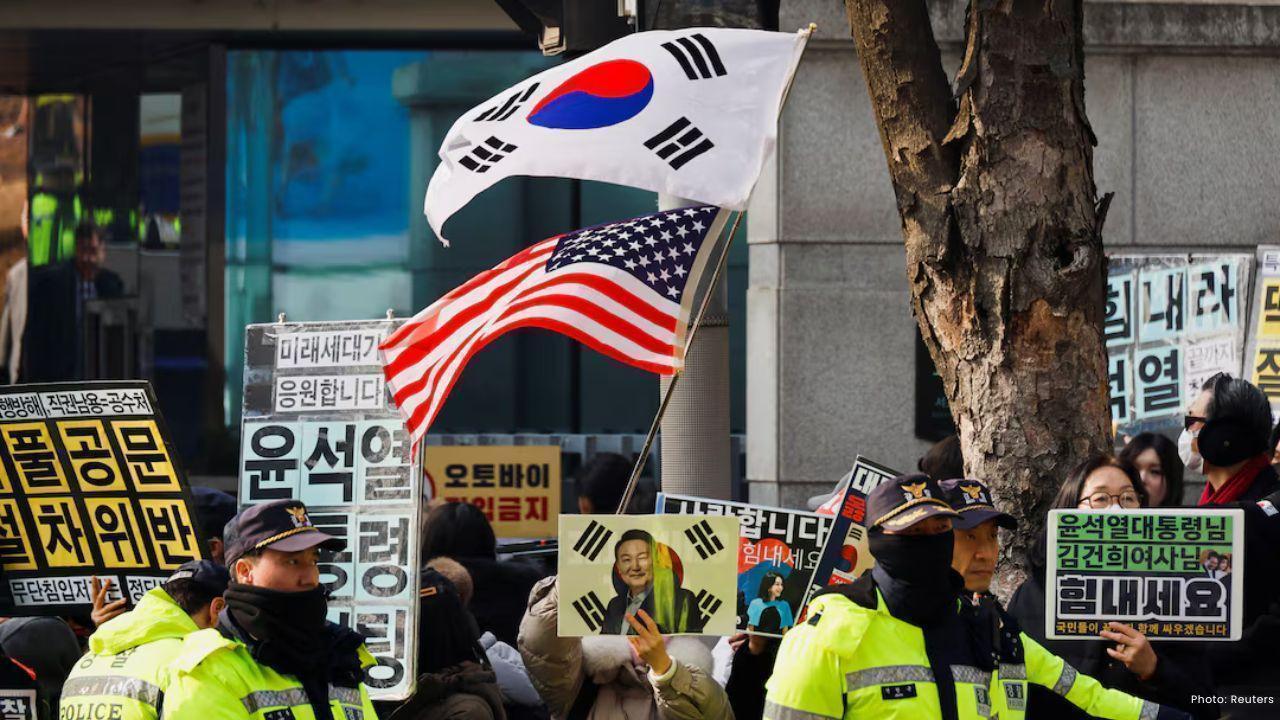
Outside the court, a small group of loyal supporters protested, saying Yoon was the victim of a witch hunt. Police were deployed in large numbers to prevent unrest. Despite these protests, many South Koreans see the ruling as proof that no one is above the law.
South Korea has a painful history with military rule, especially during the 1980s. The brief return of martial law memories caused fear across the country and drew global attention. As Asia’s fourth-largest economy and a key U.S. ally, South Korea is often praised for its strong democratic system.
This verdict sends a powerful message. It shows that even former presidents can be held responsible for abusing power. While appeals and other trials are still ahead, the ruling has already become a landmark moment in South Korea’s legal and political history.
For many citizens, this case is not just about one man. It is about protecting democracy, respecting the law, and making sure the past does not repeat itself.
#trending #latest #SouthKorea #Democracy #RuleOfLaw #MartialLaw #YoonSukYeol #Justice #AsianPolitics








Advances in Aerospace Technology and Commercial Aviation Recovery
Insights into breakthrough aerospace technologies and commercial aviation’s recovery amid 2025 chall

Defense Modernization and Strategic Spending Trends
Explore key trends in global defense modernization and strategic military spending shaping 2025 secu

Tens of Thousands Protest in Serbia on Anniversary of Deadly Roof Collapse
Tens of thousands in Novi Sad mark a year since a deadly station roof collapse that killed 16, prote

Canada PM Carney Apologizes to Trump Over Controversial Reagan Anti-Tariff Ad
Canadian PM Mark Carney apologized to President Trump over an Ontario anti-tariff ad quoting Reagan,

The ad that stirred a hornets nest, and made Canadian PM Carney say sorry to Trump
Canadian PM Mark Carney apologizes to US President Trump after a tariff-related ad causes diplomatic

Bengaluru-Mumbai Superfast Train Approved After 30-Year Wait
Railways approves new superfast train connecting Bengaluru and Mumbai, ending a 30-year demand, easi




