Post by : Saif
Thiruvananthapuram’s mayor and Kerala’s transport minister met on January 17, 2026, to discuss a growing dispute over the operation of electric buses in the city. The talks focused on issues such as where the buses should run, how they should be managed, and how revenue should be shared. While no final decision was reached, both sides agreed to maintain the current arrangements for the time being.
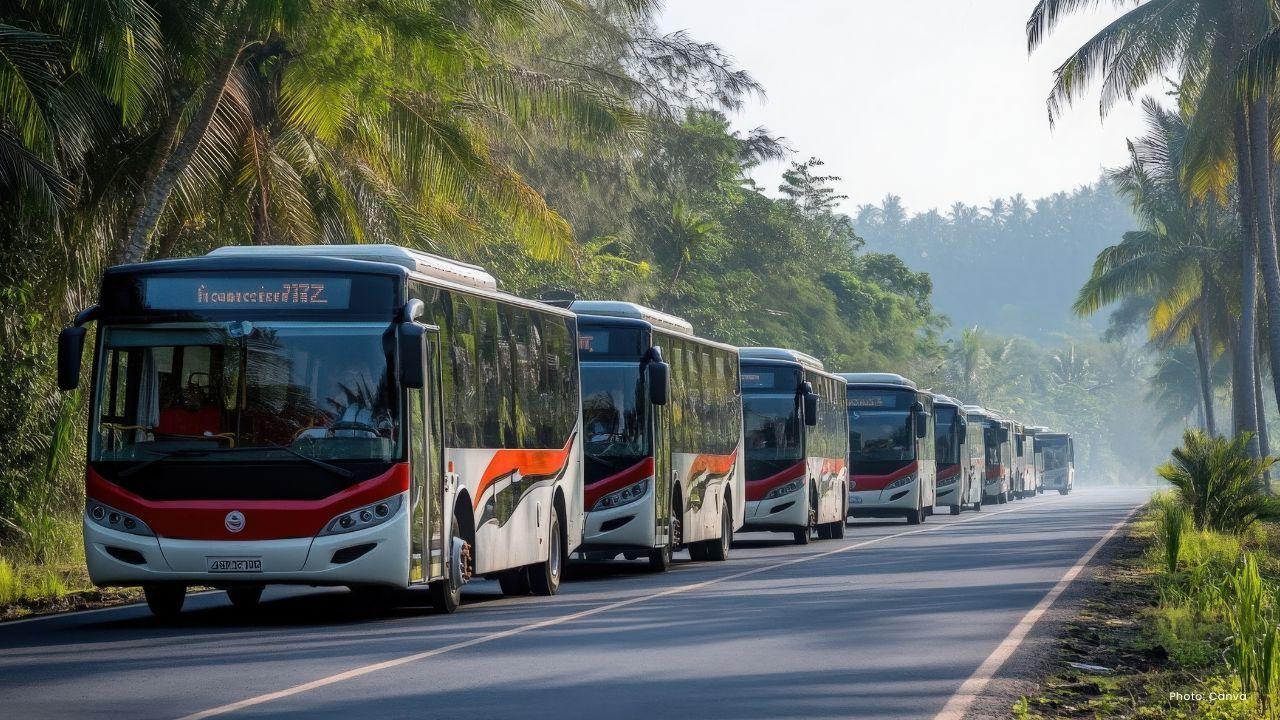
The disagreement began after the National Democratic Alliance (NDA) took control of the Thiruvananthapuram City Corporation. The mayor, V V Rajesh, raised concerns about the use of 113 electric buses introduced under the Smart City project. He emphasized that these buses should operate mainly within city limits so that local commuters benefit directly from the service.
Earlier, the transport department reassigned some buses to areas outside the city, citing financial concerns and operational sustainability on inner-city routes. This move drew criticism from the mayor and city officials, who argued that the buses were meant primarily for city residents.
During the meeting, Mayor Rajesh also raised concerns about revenue sharing. He suggested that the city corporation should receive a fair portion of the income generated by the bus services. He also highlighted issues with the planning of routes and service patterns, urging that they be designed to better serve city residents.
Transport Minister K B Ganesh Kumar said that buses could be returned to city service within 24 hours if the corporation made a formal request. However, he noted that the buses would not be allowed to park at KSRTC facilities. The mayor responded that the city has adequate parking and expressed concerns about taking back the buses under the current terms.
Despite the discussions, no final agreement was reached on service contracts or operational rules. Both parties decided to continue talks in the coming weeks. The mayor described the meeting as part of ongoing efforts to resolve issues related to public transport in the city.
The disagreement highlights wider political and administrative tensions regarding public transport planning in Thiruvananthapuram. The electric buses were introduced to improve city travel and promote environmentally friendly transport under the Smart City initiative. However, differing views on how the buses should be operated have created friction between the city corporation and state transport authorities.
As electric buses become increasingly common in Indian cities, questions about routes, funding, and management are becoming major public concerns. In Thiruvananthapuram, the outcome of these discussions could influence daily travel for residents and the planning of future transport projects.
#trending #latest #Thiruvananthapuram #ElectricBuses #SmartCity #TransportDebate #PublicTransport #KeralaNews #UrbanMobility



Advances in Aerospace Technology and Commercial Aviation Recovery
Insights into breakthrough aerospace technologies and commercial aviation’s recovery amid 2025 chall

Defense Modernization and Strategic Spending Trends
Explore key trends in global defense modernization and strategic military spending shaping 2025 secu

Tens of Thousands Protest in Serbia on Anniversary of Deadly Roof Collapse
Tens of thousands in Novi Sad mark a year since a deadly station roof collapse that killed 16, prote

Canada PM Carney Apologizes to Trump Over Controversial Reagan Anti-Tariff Ad
Canadian PM Mark Carney apologized to President Trump over an Ontario anti-tariff ad quoting Reagan,

The ad that stirred a hornets nest, and made Canadian PM Carney say sorry to Trump
Canadian PM Mark Carney apologizes to US President Trump after a tariff-related ad causes diplomatic

Bengaluru-Mumbai Superfast Train Approved After 30-Year Wait
Railways approves new superfast train connecting Bengaluru and Mumbai, ending a 30-year demand, easi




